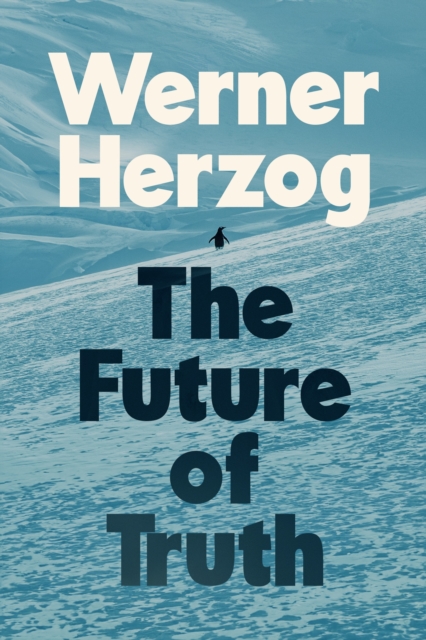
The Future of Truth
(Autor) Werner HerzogIn this short sequel to his acclaimed memoir, the legendary filmmaker and global cultural icon explores one of his favourite topics: the nature of truth. What if a lie is told to reveal some underlying truth? Are feelings that seem inappropriate, such as the hysteria following the death of a celebrity, any less real or true than the grief we feel over the death of a loved one? Even if the plot of an opera seems preposterous, can't it still express strong human emotions that ring true with the audience? At the heart of the book lies Werner Herzog's concept of 'ecstatic truth' - a truth that is often hidden behind the facts and our conceptions of reality but can be gleaned through the poetic imagination, in art, literature and cinema, when we open ourselves up to an aesthetic experience. Written in Herzog's inimitable tyle, the stories, anecdotes and reflections take us from present-day deep fakes and the opportunities and perils of AI to Ancient Egyptian and Rome, where rulers resorted to lies and propaganda in the same way as governments do today; from Scott's and Amundson's race to the South Pole to alien abduction stories and the making of Herzog's own films. With its singular vision and unique voice, The Future of Truth is a compelling meditation on the relationship between fact and fiction, evidence and the imagination, by one of the most fascinating and idiosyncratic thinkers in the world today.
Werner Herzog
Werner Herzog is a German film director, screenwriter, and producer known for his unique and provocative style. He has created numerous acclaimed films, including "Aguirre, the Wrath of God," "Fitzcarraldo," and "Grizzly Man." Herzog is known for his intense, often surreal storytelling and his ability to capture the complexities of human nature in his work. He has made a significant impact on the documentary genre, blurring the lines between fact and fiction. One of his most famous works is "Fitzcarraldo," which tells the story of a man's obsession with bringing opera to the Amazon rainforest. Herzog's contributions to literature include his ability to challenge conventional storytelling methods and explore the depths of the human experience in ways that are both profound and unsettling.
Other related
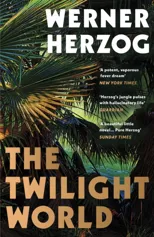
The Twilight World
Discover the first novel from the iconic filmmaker Werner Herzog
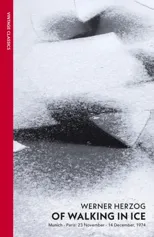
Of Walking In Ice
Munich - Paris: 23 November - 14 December, 1974