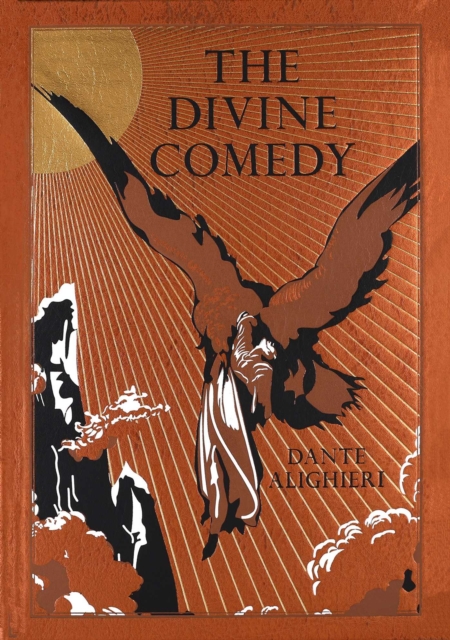
The Divine Comedy
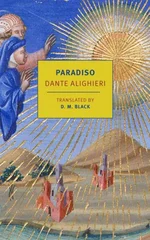
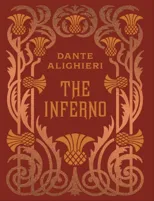
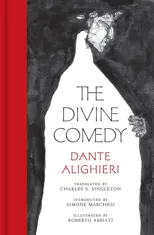
(Autor) Dante AlighieriDante’s epic poem of the soul’s journey through the afterlife remains essential reading seven centuries after its initial publication. This edition was translated by Henry Wadsworth Longfellow. Inferno, Purgatorio, and Paradiso—the three fates of the deceased become the three pillars of an epic poem. The Divine Comedy, written by Italian poet Dante Alighieri in the fourteenth century, is considered the foremost work in Italian literature. The journey begins with Dante’s descent into the depths of Hell, where he witnesses those eternally separated from God. Then he climbs the mountain of Purgatory, where Christian souls undergo final purification, before he tours the celestial circles of Heaven, where he is filled with the image of God. An allegorical work, The Divine Comedy is representative of the soul’s journey toward God. Influential for seven centuries, this classic is a must-have for lovers of great literature, and this luxurious leather-bound edition from Canterbury Classics will make a stunning addition to any home library.
Dante Alighieri
Dante Alighieri was an Italian poet and philosopher born in Florence in 1265. His most notable work is "The Divine Comedy," a narrative poem that follows the author's journey through Hell, Purgatory, and Paradise. This work is considered a masterpiece of world literature and a cornerstone of Italian literature. Dante's writing style is characterized by its intricate symbolism, vivid imagery, and profound philosophical insights. His contributions to literature include popularizing the use of vernacular language in poetry and shaping the development of the Italian literary tradition. Dante's impact on the literary genre of epic poetry and his enduring influence on Western literature make him one of the most celebrated and influential writers in history.
Other related

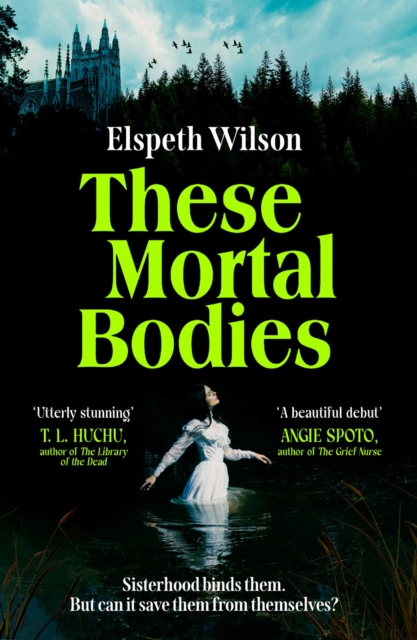
These Mortal Bodies
a gripping and atmospheric dark academia novel about toxic female friendships and obssession

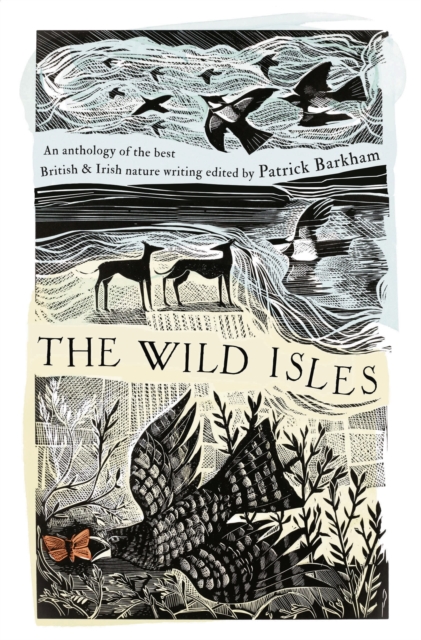
The Wild Isles
An Anthology of the Best of British and Irish Nature Writing
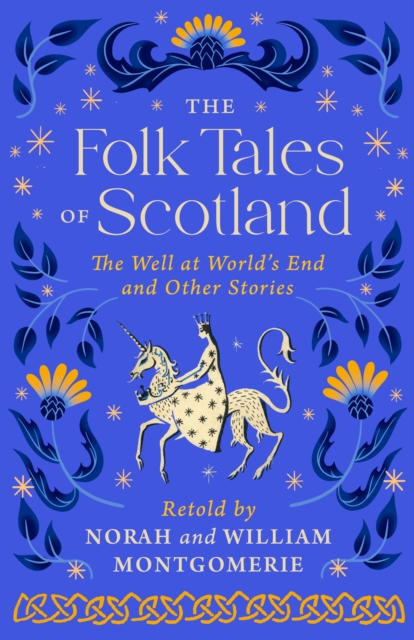
The Folk Tales of Scotland
The Well at the World's End and Other Stories