Walking
(Autor) Henry David Thoreau"For I believe that climate does thus react on man — as there is something in the mountain air that feeds the spirit and inspires. Henry David Thoreau's Walking began as a lecture in 1851 and ultimately appeared in The Atlantic Monthly in 1862, shortly after the author's death. The impassioned essay, which praises the merits of time spent in nature, has become one of the most influential works of the modern environmentalist movement. Thoreau's view of walking in nature as a self-reflective activity invites readers to embark on their own ramble in order to gain a "wild and dusky" self-knowledge unattainable elsewhere. Americans felt the pressures of a changing world even in the relatively slow-paced 1800s, and Thoreau proposed balancing social stress with unhurried wanderings in fields and woods. His writings, from Civil Disobedience to Walden, remain popular because of their enduring relevance, and Walking bears a special resonance for modern readers who may have become disconnected from the natural world.
Henry David Thoreau
Henry David Thoreau was an American essayist, poet, and philosopher known for his transcendentalist beliefs and writings on nature, simplicity, and civil disobedience. His most notable works include "Walden," a reflection on living a simple life in harmony with nature, and "Civil Disobedience," a call for individual resistance to unjust laws.
Thoreau's writing style is characterized by its introspective and philosophical nature, as well as its vivid descriptions of the natural world. His works have had a lasting impact on environmental literature and the development of the conservation movement. "Walden" remains his most famous work, exploring themes of self-reliance, individualism, and the importance of living deliberately. Thoreau's contributions to literature continue to inspire readers to seek a deeper connection with nature and live more intentionally.
Other related



The Daily Henry David Thoreau
A Year of Quotes from the Man Who Lived in Season

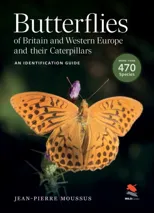
Butterflies of Britain and Western Europe and Their Caterpillars
An Identification Guide
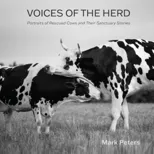
Voices of the Herd
Portraits of Rescued Cows and Their Sanctuary Stories