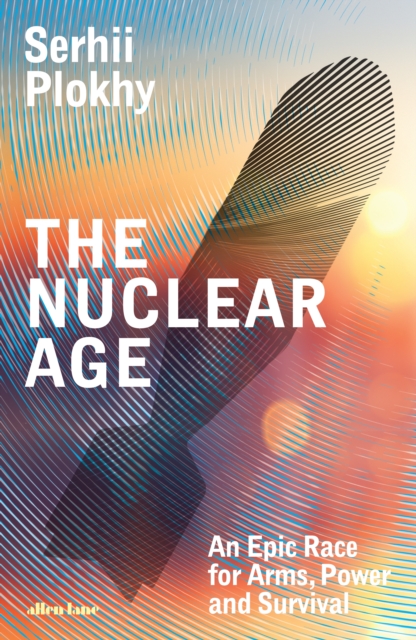
The Nuclear Age
An Epic Race for Arms, Power and Survival
(Autor) Serhii PlokhyFrom the bestselling author of Chernobyl comes a sweeping history of the geopolitics behind the nuclear arms race, from the first atomic bomb to today On 16 July 1945, the Nuclear Age began with the explosion of the first atomic bomb and the words of J. Robert Oppenheimer: 'Now I am become Death, the Destroyer of Worlds.' While the threat of mutually assured destruction kept a lid on a simmering and tense geopolitical landscape, events like the Chernobyl disaster and near-misses like the Cuban Missile Crisis showed that total destruction was only ever one malfunction, mistake, or miscommunication away. Now, as governments re-arm their nuclear arsenals, treaties designed to limit the acquisition and use of nuclear weapons fall away, and nuclear weapons come increasingly within reach of non-state actors, we are on the brink of a renaissance of the nuclear industry. In The Nuclear Age, acclaimed historian Serhii Plokhy paints an intricate picture of a world governed by fear. From the first artificial splitting of the atom in 1917 and the race to create the first atomic bomb in World War II, through the fraught arms race of the Cold War, to the imperialism, neo-colonial motivation and wars being waged today, the threat posed by nuclear weapons is as pertinent as ever. As he examines the motivations of key players, Plokhy confronts the crucial question of our age: what can we learn from the first nuclear arms race that can help us to stop the new one?
Serhii Plokhy
Serhii Plokhy is a renowned Ukrainian-American historian and author known for his works on Eastern European history, particularly the history of Ukraine and Russia. He is a professor of Ukrainian history at Harvard University and has published numerous books on the topic.
Plokhy's most notable works include "The Last Empire: The Final Days of the Soviet Union" and "Chernobyl: The History of a Nuclear Catastrophe." His writing style is characterized by meticulous research, insightful analysis, and engaging storytelling.
Plokhy's contributions to literature include shedding light on important but often overlooked events in Eastern European history and providing new perspectives on key moments in the region's past. His work has had a significant impact on the study of Ukrainian and Russian history, influencing scholars and readers alike.
His most famous work, "Chernobyl: The History of a Nuclear Catastrophe," explores the causes and consequences of the Chernobyl disaster in 1986, offering a comprehensive and compelling account of one of the worst nuclear accidents in history.
Other related
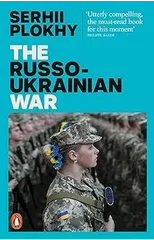
The Russo-Ukrainian War
From the bestselling author of Chernobyl


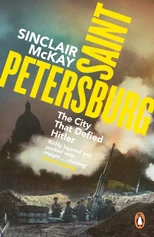
Saint Petersburg
Sacrifice and Redemption in the City That Defied Hitler