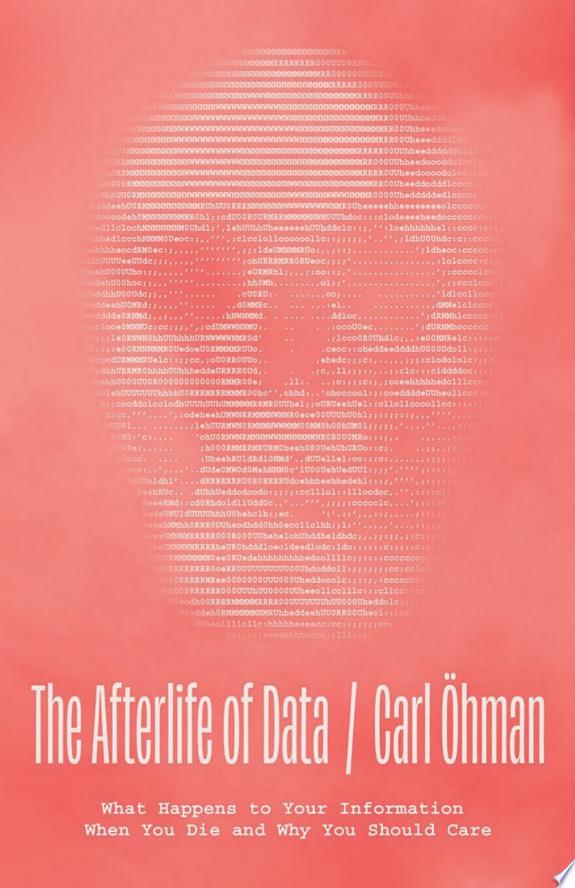
The Afterlife of Data
What Happens to Your Information When You Die and Why You Should Care
(Autor) Carl Ohman"In recent years, more and more of our lives takes place online. But what about our afterlives? Thanks to the digital trails of data we leave behind, much of "who we are" can be reconstructed-even after our death. Sooner than we think, the dead will outnumber the living on Facebook, and in time, AI technology will allow us to "interact" with the departed. In this short, thought-provoking book, Carl Öhman asks us to consider what happens to our data after we pass away. How do we decide what data should be preserved? What sorts of ethical issues does it raise? We live in what Öhman calls the post-mortal condition, one in which the dead and the living coexist online through digital remains. Examining government digital heritage committees, public archives, NGOs, museums, and commercial institutions, Öhman analyzes various forms of data preservation and digital reanimation, ultimately calling for us, as a society, to acknowledge and to engage creatively with our condition. He calls for us to reevaluate the relationship between the living and the dead, and to work together to create a shared ethics of preservation. This isn't just the duty of our digital overlords. These are our lives, our deaths, and it is time we think seriously about how we want our data to be treated"--
Carl Ohman
Carl Ohman was a Swedish poet and writer known for his lyrical and reflective style. He was a prominent figure in the Swedish literature scene during the late 19th and early 20th centuries. Ohman's most notable works include "Songs of the North" and "Echoes of the Forest," which are characterized by their evocative imagery and emotional depth. His poems often explore themes of nature, love, and the human experience. Ohman's contributions to Swedish literature have had a lasting impact on the genre, inspiring future generations of poets and writers. His most famous work, "Songs of the North," remains a classic of Swedish poetry.
Other related
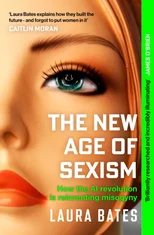
The New Age of Sexism
How the AI Revolution is Reinventing Misogyny
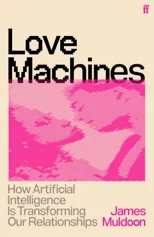
Love Machines
How Artificial Intelligence is Transforming Our Relationships