On Drinking
(Autor) Charles BukowskiThe definitive collection of works on a subject that inspired and haunted Charles Bukowski for his entire life: alcohol Charles Bukowski turns to the bottle in this revelatory collection of poetry and prose that includes some of the writer’s best and most lasting work. A self-proclaimed “dirty old man,” Bukowski used alcohol as muse and as fuel, a conflicted relationship responsible for some of his darkest moments as well as some of his most joyful and inspired. In On Drinking, Bukowski expert Abel Debritto has collected the writer’s most profound, funny, and memorable work on his ups and downs with the hard stuff—a topic that allowed Bukowski to explore some of life’s most pressing questions.
Through drink, Bukowski is able to be alone, to be with people, to be a poet, a lover, and a friend—though often at great cost. As Bukowski writes in a poem simply titled “Drinking,”: “for me/it was or/is/a manner of/dying/with boots on/and gun/smoking and a/symphony music background.” On Drinking is a powerful testament to the pleasures and miseries of a life in drink, and a window into the soul of one of our most beloved and enduring writers.
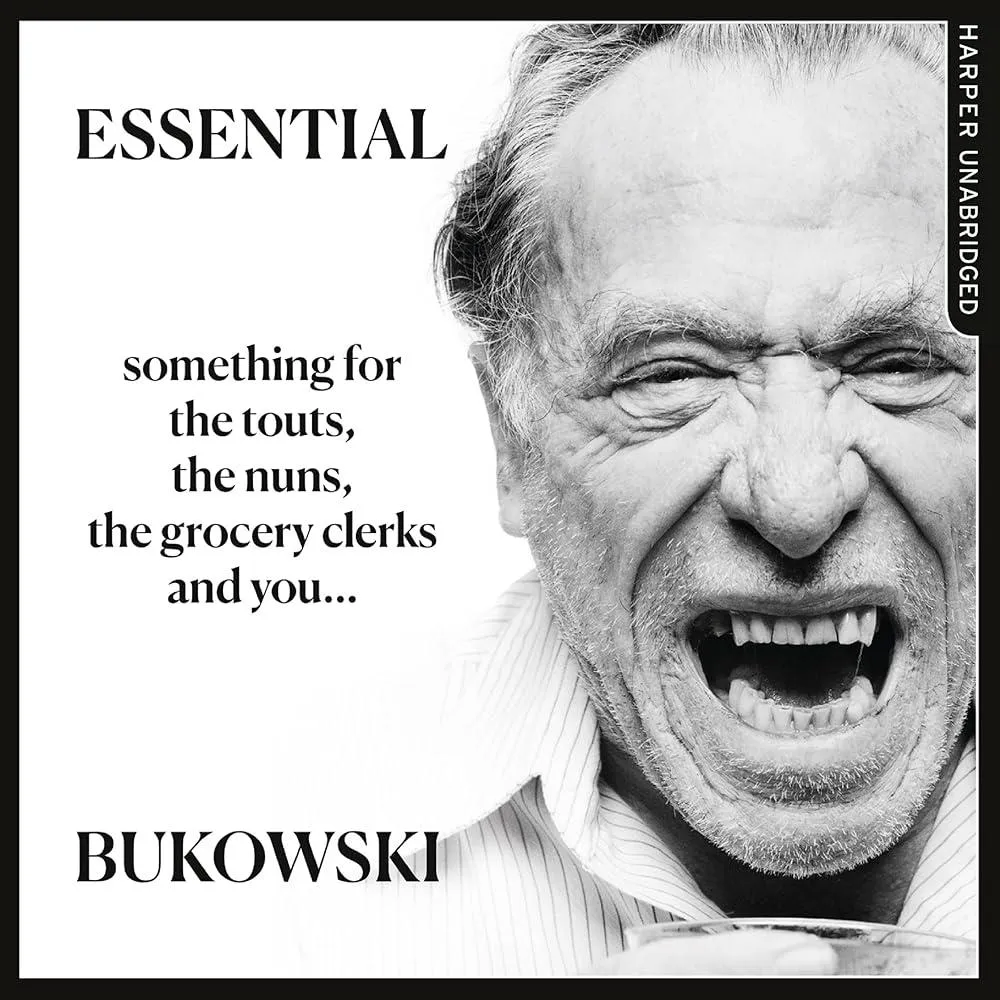
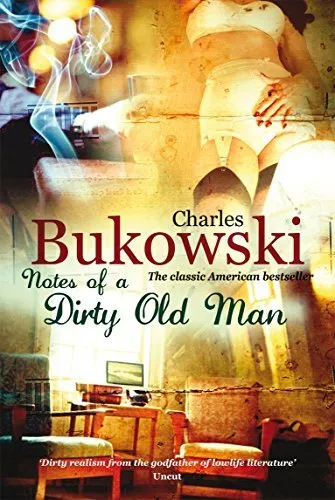
Charles Bukowski
Charles Bukowski (1920-1994) was a prolific American writer known for his raw and gritty portrayal of urban life. His most notable works include "Post Office," "Factotum," and "Women." Bukowski's literary style is characterized by its unflinching honesty, dark humor, and exploration of the human condition. He often wrote about his own experiences with alcoholism, poverty, and relationships, creating a distinctive voice in contemporary literature.
Bukowski's contributions to literature include pushing the boundaries of what is considered acceptable subject matter in writing, as well as his ability to capture the struggles and triumphs of everyday life. His impact on the literary genre of "dirty realism" and his influence on writers such as Raymond Carver and Jim Thompson are widely recognized.
One of Bukowski's most famous works is the semi-autobiographical novel "Post Office," which follows the misadventures of a disillusioned postal worker named Henry Chinaski. The novel showcases Bukowski's unique blend of cynicism and humor, solidifying his reputation as a literary iconoclast.
Other related
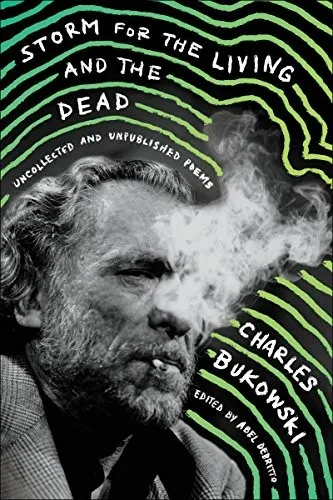
Storm for the Living and the Dead
Uncollected and Unpublished Poems
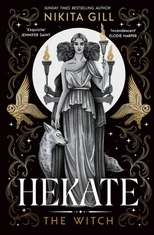
Hekate
The new immersive, electrifying Greek retelling from bestselling poet Nikita Gill