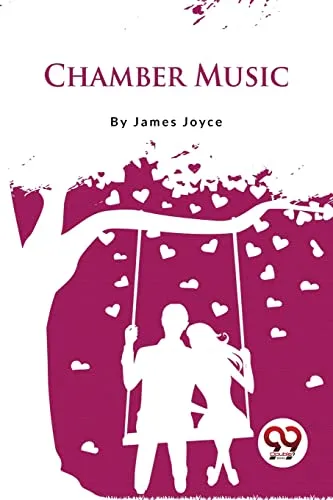
Chamber Music
(Author) James JoyceJames Joyce's book of poems titled Chamber Music was released by Elkin Mathews in May 1907. There were originally thirty-four love poems in the anthology, but two more were added before it was published ("All day I hear the noise of waters" and "I hear an army charging upon the land"). Although it is widely believed that the title refers to the sound of urine tinkling in a chamber pot, this is a later Joycean embellishment that gives an earthiness to a title that was initially proposed by his brother Stanislaus and that Joyce (by the time of publication) had come to dislike: "The reason I dislike Chamber Music as a title is that it is too complacent," he admitted to Arthur Symons in 1906. "I would prefer a title that criticized the work while avoiding outright trashing it." Chamber Music's poetry isn't at all racy or evocative of the sound of tinkling urine, in fact. The poems were well-received by critics despite poor sales (less than half of the original print run of 500 had been sold in the first year).
James Joyce
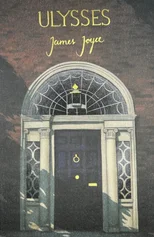
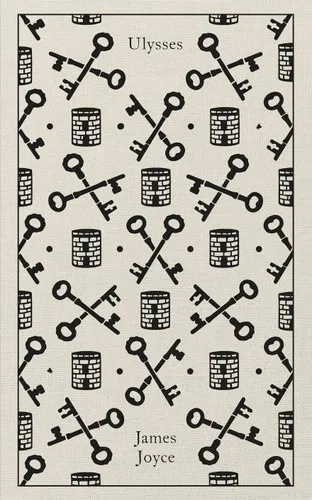
James Joyce was an Irish writer known for his innovative and complex writing style. His most notable works include "Dubliners," "A Portrait of the Artist as a Young Man," "Ulysses," and "Finnegans Wake." Joyce's stream-of-consciousness technique and use of interior monologue revolutionized modernist literature. His works often explore themes of alienation, identity, and the search for meaning in a rapidly changing world. "Ulysses," considered his masterpiece, is a groundbreaking novel that follows the events of a single day in Dublin, paralleling Homer's epic poem "The Odyssey." Joyce's unique narrative techniques and experimental prose have had a profound influence on the development of the modern novel.
Other related
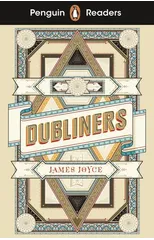
Penguin Readers Level 6
Dubliners (ELT Graded Reader) : Abridged Edition