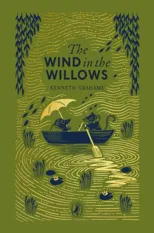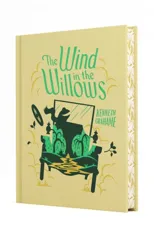
The Wind In The Willows
(Author) Grahame Kenneth Kenneth GrahameAfter leaving his deep home, the mole arrives to a river he has never seen before. Toad is wealthy, merry, amiable, and kindhearted, but he is also haughty and has a quick temper. He frequently becomes fixated on popular trends before dumping them out of the blue. Toad's passion for caravan travel is supplanted with a fixation with motorcars after a passing automobile scares his horse into a ditch. In an effort to meet the moral and wise Badger, Mole and Rat travel to the Wild Wood to find him. They discover that Toad has been in seven automobile accidents, has visited the hospital three times, and has racked up significant penalties. When the moment is perfect, Badger and Mole decide to come up with a strategy to keep Toad from harming himself. The three of them place Toad under house imprisonment with themselves serving as guards as spring approaches, but Toad connives Ratty into leaving so he may escape. Badger, Rat, Mole, and Toad attack the partying Wild-Wooders who are unaware that they are being ambushed in Toad Hall. The book includes a number of standalone short stories starring Rat and Mole, including one in which they come across the untamed god Pan while looking for Otter's son Portly. The majority of these come in between the chapters that detail Toad's exploits.
Grahame Kenneth
Kenneth Grahame
Kenneth Grahame was a British writer best known for his classic children's novel "The Wind in the Willows." His writing style is characterized by its whimsical and charming storytelling, often featuring anthropomorphic animals as main characters. Grahame's works have had a significant impact on the genre of children's literature and continue to be beloved by readers of all ages. "The Wind in the Willows" remains his most famous and enduring work, captivating generations of readers with its enchanting tale of friendship, adventure, and the joys of the English countryside.
Other related
The Wind in the Willows
ARTHOUSE Unlimited Special Edition