Silas Marner
(Author) George EliotSilas Marner: The Weaver of Raveloe is the third novel by George Eliot. It was published in 1861. An outwardly simple tale of a linen weaver, the novel is notable for its strong realism and its sophisticated treatment of a variety of issues ranging from religion to industrialisation to community. Silas Marner is a story of loss, alienation, and redemption that combines elements of fairy tale and myth with realism and humor. Set in the fictional village of Raveloe, it centers on Silas Marner, a weaver who is forced to leave his hometown in the north after being falsely accused of theft by members of his chapel. His religious faith gone, for fifteen years Marner isolates himself from the life of the village and becomes a miser. But when the gold that he cherishes is stolen, and he adopts a child whose mother has just died, his life changes dramatically for the better.
George Eliot
George Eliot was the pen name of Mary Ann Evans, a prominent Victorian-era novelist known for her insightful and complex characterizations. Her most notable works include "Middlemarch," considered one of the greatest novels in the English language, and "Silas Marner," a poignant tale of redemption and community. Eliot's literary style is characterized by its psychological depth, moral complexity, and social commentary. She was a pioneer in the realist tradition, exploring themes of morality, religion, and human relationships in her writing. Eliot's contributions to literature include challenging traditional gender roles and societal norms, as well as expanding the scope and depth of the novel as an art form. Her work continues to be celebrated for its profound insights into the human condition and its enduring relevance in contemporary society.
Other related
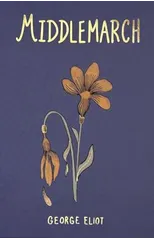
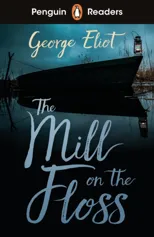
Penguin Readers Level 4
The Mill on the Floss (ELT Graded Reader) : Abridged Edition


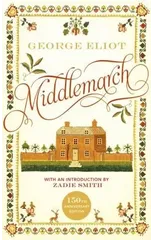
Middlemarch
The 150th Anniversary Edition introduced by Zadie Smith