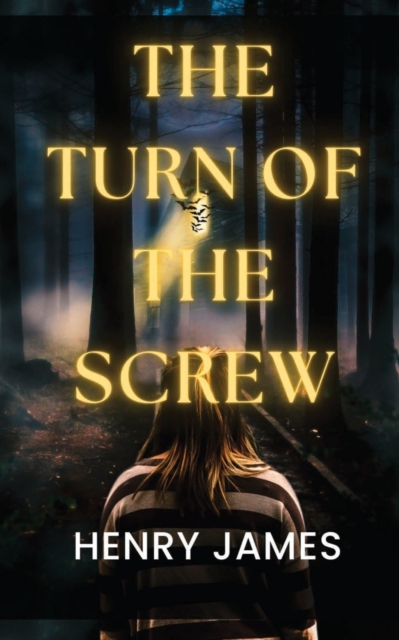
The Turn of the Screw
(Author) Henry JamesThe Turn of the Screw is an 1898 horror novella by Henry James which first appeared in serial format in Collier's Weekly (January 27 - April 16, 1898). In October 1898, it was collected in The Two Magics, published by Macmillan in New York City and Heinemann in London. The novella follows a governess who, caring for two children at a remote estate, becomes convinced that the grounds are haunted. The Turn of the Screw is considered a work of both Gothic and horror fiction. In the century following its publication, critical analysis of the novella has undergone several major transformations. Initial reviews regarded it only as a frightening ghost story, but, in the 1930s, some critics suggested that the supernatural elements were figments of the governess' imagination. In the early 1970s, the influence of structuralism resulted in an acknowledgement that the text's ambiguity was its key feature. Later approaches incorporated Marxist and feminist thinking. The novella has been adapted numerous times, including a Broadway play (1950), a chamber opera (1954), two films (in 1961 and 2020), and a miniseries (2020).
Henry James
Henry James was an American novelist and critic known for his psychological realism and exploration of the complexities of human relationships. His most notable works include "The Portrait of a Lady," "The Turn of the Screw," and "The Wings of the Dove." James' writing style is characterized by intricate prose, detailed character development, and nuanced exploration of social conventions and moral dilemmas.
James is considered one of the most important figures in 19th-century American literature, often credited with shaping the modern novel through his innovative narrative techniques and deep psychological insight. His impact on the literary genre of the novel is profound, with many critics and writers citing him as a major influence on their work.
One of Henry James' most famous works is "The Turn of the Screw," a ghost story that explores the themes of innocence, corruption, and the supernatural. The novella is widely regarded as a masterpiece of psychological horror and has been adapted into various film and stage adaptations. Henry James' contributions to literature continue to be celebrated and studied for their profound insights into the human condition and the complexities of human experience.
Other related

The Complete Writings of Henry James on Art and Drama
Volume 1, Art
The Complete Writings of Henry James on Art and Drama
Volume 2, Drama