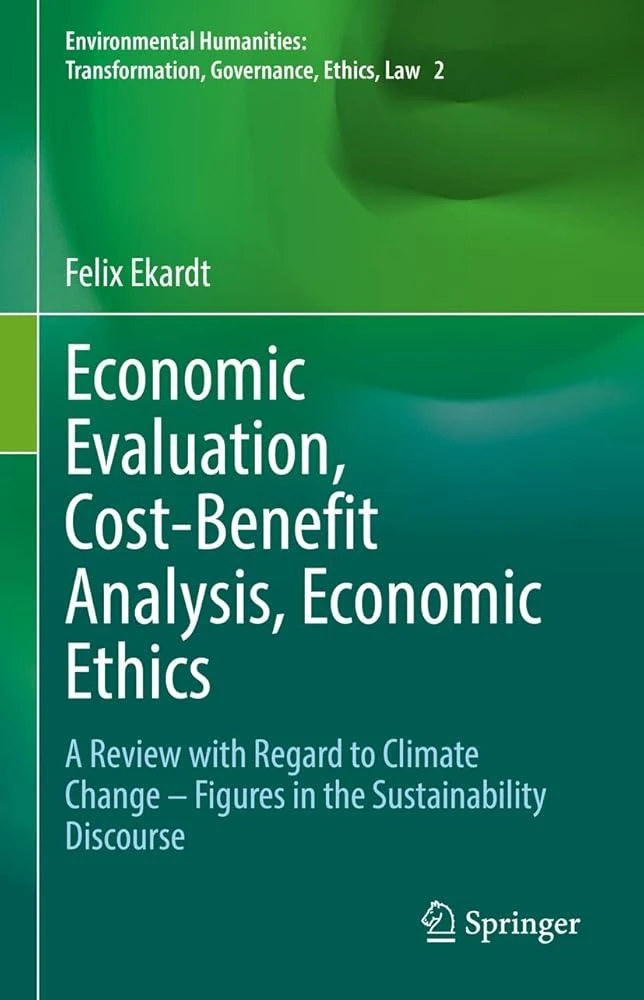
Economic Evaluation, Cost-Benefit Analysis, Economic Ethics
A Review with Regard to Climate Change – Figures in the Sustainability Discourse
(Author) Felix EkardtWith cost-benefit analysis, economic sciences cultivate a specific decision-making procedure, which has also been partially adopted in politics. Although economists do not experience the approach as normative, on closer examination the approach can be identified as an economic ethics. The present philosophical and at the same time transdisciplinary (with special legal and economic components) treatment examines the persuasive power of this approach using climate change as an example, as the most important sustainability issue. The objections raised against the economisation of decision-making with regard to the utilitarian tradition, such as the criticism of the orientation towards weighing up options, the alleged lack of distributive justice or the tendency to describe people in behavioural science as selfish, are hardly or not at all convincing on closer examination. In several respects, however, it turns out that cost-benefit analysis faces insoluble problems. Firstly, the theoretical basis of (hidden normative) cost-benefit analysis in philosophical empiricism does not seem tenable. This means the idea of empiricism that normative questions must be transformed into questions of factual (countable and reproduceable) preferences of people. Secondly, there are massive collisions of cost-benefit analysis with a liberal-democratic constitutional law, whose principles are universal ethical principles. This concerns both freedom rights (which must not depend on the ability of humans to pay) and the model of democracy and respect for the rule of law. Thirdly, insoluble problems of application arise for cost-benefit analyses, which are particularly (but not only) apparent in the context of climate protection, in general considerations as in the case of legislation as well as in individual analyses, as done when constructing a coal-fired power plant. A strongly deflated cost-benefit analysis could nevertheless contribute factual material – such as partial aspects of decision consequences that can actually be depicted in monetary terms – to ethical or legal decision-making processes. In this respect the approach appears helpful and complementary, but not beyond that.
Felix Ekardt
Felix Ekardt is a German philosopher and author known for his groundbreaking work "The Limits of Moral Obligation," which challenges traditional ethical theories. His writing style is clear and analytical, delving deep into complex moral dilemmas. Ekardt's key contribution to literature is his innovative approach to understanding morality and responsibility.
Other related
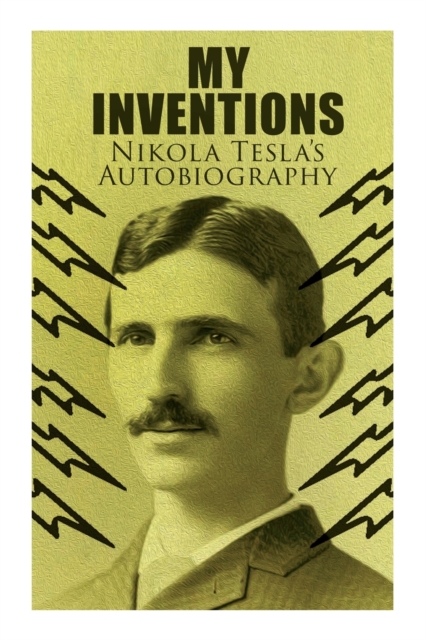
My Inventions - Nikola Tesla's Autobiography
Extraordinary Life Story of the Genius Who Changed the World