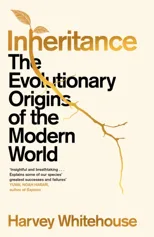
红燕
(Author) Harvey Whitehouse 钟凡 荆谍战戏,总是男子群像戏,其中有一两个浓妆艳抹的花瓶点缀,古今中外,莫不如是。这些女子,也有各自进入这个行业的故事,不只是好颜色的背景板。因为东方受儒学思想影响,东方人常觉得男性只要做出一番事业,英雄不问出身,可是女性,处于这个行业,却常常因为不守社会风俗和大众对女性善良的期待而得不到宣传。男间谍,在解密后,常被称作英雄,可以吹牛吹一辈子,而女间谍,却基本上都悄无声息地退出了历史舞台,而不希望大众投射太多的目光在她们身上。其实,因为信仰、胁迫、情感、利益,女间谍们进入这个行业的原因各不相同,背后的精彩纷呈也足够写一本书。除了奇闻艳事满足读者们的口味,我更专注于描述这个行当的女人的内心世界。因为工作要求和特质,这个行业女性占比极低,而色情间谍占比就更低,低到只有百分之零点几。性别比例的极度不平衡,和这个行业的保密性,赋予了这类女性在大众眼中的神秘色彩。 而本文主人公,一个因受骗被迫当了间谍的女子,为了自己的生存,也是为了父母的生存,被迫按照上级的指示做间谍并以不同的职业做掩护,并利用自身姿色接触所在国上层人士,暗地搜集和传递情报,但最终被所在国发现,被捕入狱,最后自杀。
Harvey Whitehouse
Harvey Whitehouse is a British social anthropologist known for his research on the evolution of religion and rituals. His most notable work, "Modes of Religiosity: A Cognitive Theory of Religious Transmission," explores the role of rituals in shaping social cohesion and group identity. Whitehouse's research has had a significant impact on the study of religion and cultural evolution. His work is characterized by a rigorous empirical approach and a focus on interdisciplinary collaboration. Whitehouse's contributions to the field of anthropology have helped to deepen our understanding of the origins and functions of religious practices.
钟凡 荆
Other related
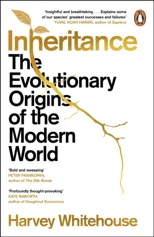
Inheritance
The Evolutionary Origins of the Modern World

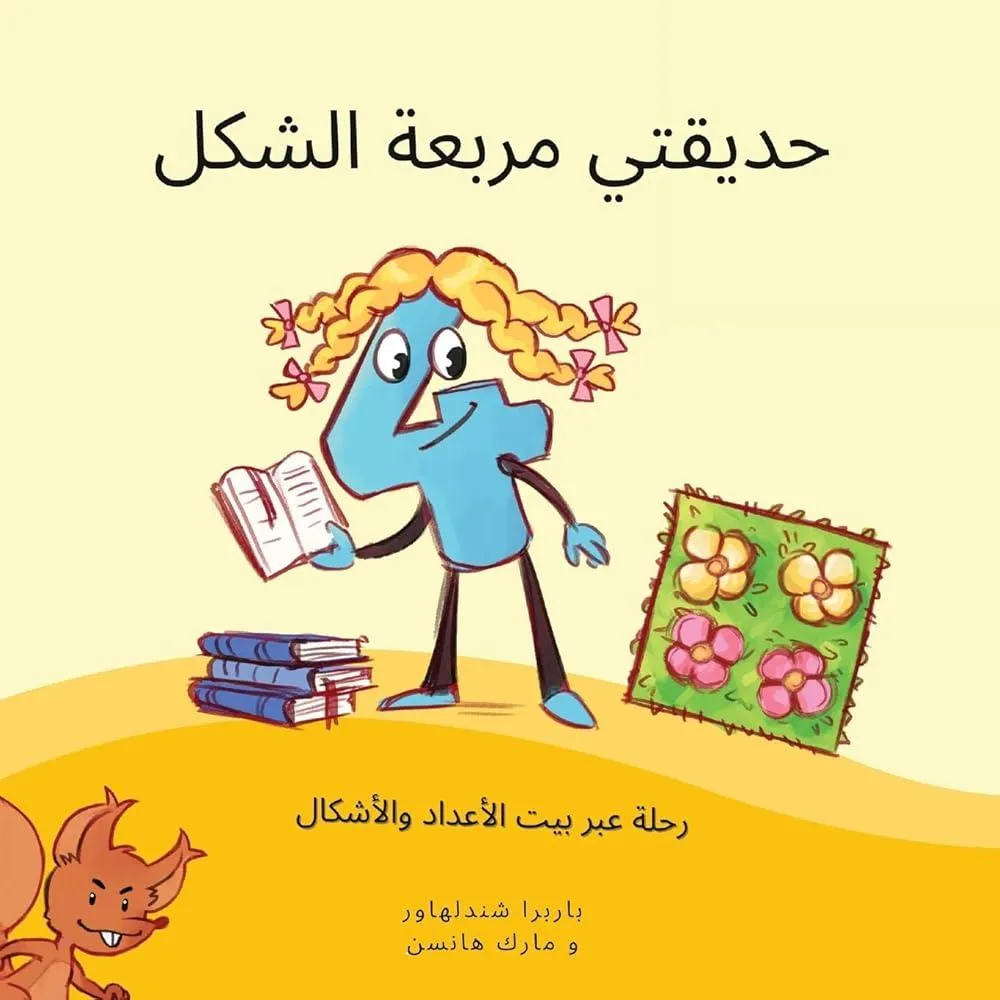
حديقتي مربعة الشكل
رحلة عبر بيت ا