The Three Musketeers
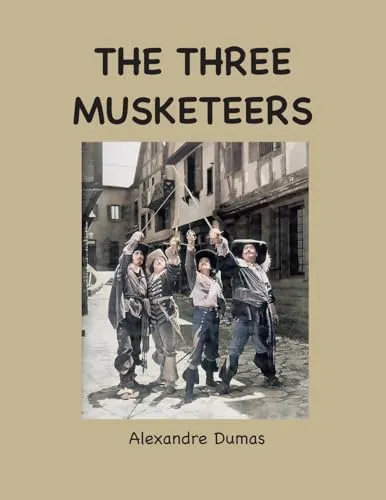
(Author) Alexandre DumasTaking place between 1625 and 1628, it follows d'Artagnan (based on Charles de Batz-Castelmore) as he travels to Paris to join the Musketeers of the Guard. Despite being unable to join this elite corps, d'Artagnan befriends "the three musketeers" or "the three inseparable"-Athos, Porthos, and Aramis-and becomes involved in state and court issues. History and adventure dominate The Three Musketeers. However, Dumas often depicts the injustices, excesses, and absurdities of the Ancien Régime, giving the story political significance at a time when republicans and monarchists were still fighting in France. During the July Monarchy, four years before the French Revolution of 1848 founded the Second Republic, Dumas serialized the novel from March to July 1844. Twenty Years After and The Vicomte of Bragelonne: Ten Years Later continue d'Artagnan's saga. Many languages have translated the works of Dumas, one of the most-read French authors. His historical adventure books, The Count de Monte Cristo, The Three Musketeers, Twenty Years After, and The Vicomte of Bragelonne: Ten Years Later, were serialized. His works have inspired approximately 200 films since the early 20th century. Dumas began his career writing plays, which were immediately successful.
Alexandre Dumas
Alexandre Dumas was a French writer known for his historical novels, including "The Three Musketeers" and "The Count of Monte Cristo." His works are characterized by fast-paced adventure, intricate plots, and memorable characters. Dumas's storytelling prowess and vivid imagination have made him a significant figure in the development of the historical fiction genre. His most famous work, "The Count of Monte Cristo," is considered a classic of literature, exploring themes of betrayal, revenge, and redemption. Dumas's contributions to literature continue to be celebrated for their enduring impact and entertainment value.
Other related