The Narrative of Arthur Gordon Pym of Nantucket
and Collected Writings
(Author) Edgar Allan Poe"My visions were of shipwreck and famine; of death or captivity among barbarian hordes; of a lifetime dragged out in sorrow and tears, upon some gray and desolate rock, in an ocean unapproachable and unknown." In his only novel, The Narrative of Arthur Gordon Pym of Nantucket (1838), Edgar Allan Poe carries his knack for the mysterious and macabre, spilt blood and cryptic messages onto the South Seas. Aboard a whaling ship, stowaway Pym will endure starvation, cannibalism, whirlpools, mad dogs and premature burials on a journey toward the frozen expanse of Antarctica. Published the year full emancipation was legalized by the UK's Slavery Abolition Act of 1833, Arthur Gordon Pym captures the relentless anxiety and violence of pre-Civil War American expansion. Allegorical, tragic, and based on real events, this adventure story went on to inspire many authors from Herman Melville and Jules Verne, to H.G. Wells and Vladmir Nabokov. This edition also includes accompanying selected letters, essays, and criticism from Poe himself.
Edgar Allan Poe
Edgar Allan Poe was an American writer known for his macabre and gothic tales that explored themes of death, madness, and the supernatural. His most notable works include "The Tell-Tale Heart," "The Raven," and "The Fall of the House of Usher." Poe's writing style is characterized by its dark and eerie atmosphere, intricate plots, and use of symbolism and suspense.
Poe is considered a pioneer of the detective fiction genre with his creation of the fictional detective C. Auguste Dupin in stories like "The Murders in the Rue Morgue." He also made significant contributions to the development of the modern short story and poetry.
One of Poe's most famous works is the poem "The Raven," which tells the story of a man haunted by a mysterious raven that visits him in the night. The poem's haunting rhythm and repetition of the word "nevermore" have made it a classic of American literature.
Poe's impact on literature is profound, as his works continue to inspire and influence writers to this day. His exploration of the darker aspects of human nature and his mastery of the craft of storytelling have cemented his legacy as one of the greatest writers in American literary history.
Other related
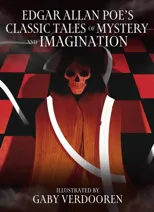
Edgar Allan Poe's Classic Tales of Mystery and Imagination
Illustrated by Gaby Verdooren

Edgar Allan Poe's Tales of Mystery & Imagination
Illustrated by Harry Clarke


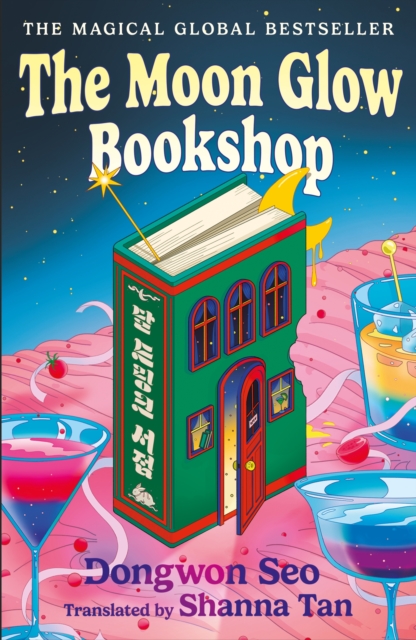
The Moon Glow Bookshop
Enter a magical world guarded by a moon rabbit and celestial librarian - the heartwarming Korean sensation