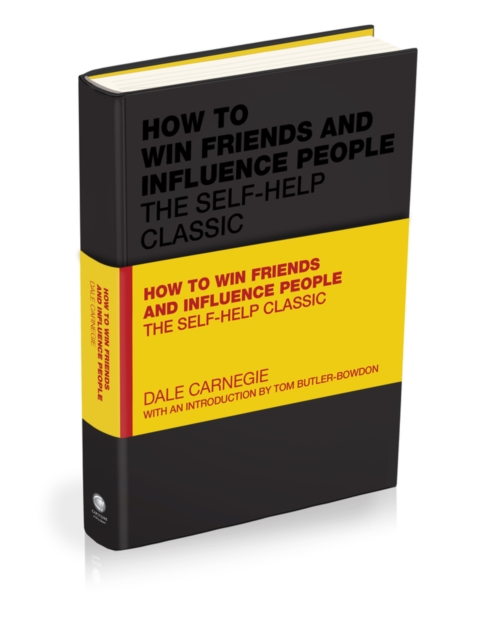
How to Win Friends and Influence People
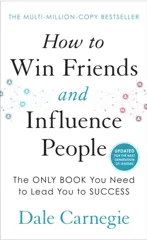
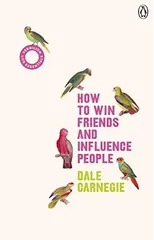
(Author) Dale CarnegieRevisit a timeless and enduring exploration of relationships and human connection How to Win Friends and Influence People, one of the bestselling self-help books ever written, offers an enduring and insightful account of human nature that promises to improve your ability to relate to those around you. It provides grounded and straightforward techniques for being more persuasive and relatable, helping you move people toward your point of view without being abrasive. This Capstone Classic edition of the celebrated book by Dale Carnegie comes with a brand-new introduction by self-help scholar Tom Butler-Bowdon and serves as an ideal entry point to the work for readers who have never read it, as well as those who would like to revisit its timeless lessons. You’ll discover: Simple, easy-to-implement strategies for persuasion and connection in a wide variety of personal and professional settings Tips on how to cultivate and enjoy genuine interest in other people as the key to influence Techniques to make others feel important, valued, and comfortable around you A must-read for everyone interested in improving their relationships with the people most important to them in life and at work, How to Win Friends and Influence People remains one of the most groundbreaking approaches to relationship management and human connection. As human nature does not change, it’s as relevant and critical today as when first released in 1936.
Dale Carnegie
Dale Carnegie until c. 1922; November 24, 1888 – November 1, 1955) was an American writer and lecturer, and the developer of courses in self-improvement, salesmanship, corporate training, public speaking, and interpersonal skills. Born into poverty on a farm in Missouri, he was the author of How to Win Friends and Influence People (1936), a bestseller that remains popular today. He also wrote How to Stop Worrying and Start Living (1948), Lincoln the Unknown (1932), and several other books.
One of the core ideas in his books is that it is possible to change other people's behavior by changing one's behavior towards them.
Other related
How to Win Friends and Influence People
(Vermilion Life Essentials)
