Marie Antoinette
(Author) Stefan Zweig“The most influential biography of Marie Antoinette.” —Guardian “Bids fair to be the definitive life of that tragic queen.” —New York Times International Bestseller: One of the great writers of the 20th century paints a vivid portrait of one of the most famous, complex, and controversial characters in European history. Stefan Zweig based his biography of Marie Antoinette, who became the Queen of France at the age of fifteen, on the correspondence between her and her mother, and her great love the Count Axel von Fersen. Zweig analyzes the chemistry of a woman’s soul from her intimate pleasures to her public suffering as a Queen under the weight of misfortune and history. Zweig describes Marie Antoinette in the King’s bedroom, in the enchanted and extravagant world of the Trianon, and with her children. And in his account of The Revolution, he describes her resolve during the failed escape to Varennes, her imprisonment in the Conciergerie and her final tragic destiny under the guillotine. Stefan Zweig’s account has been the definitive biography of Marie Antoinette since its publication, inspiring Antonia Fraser and the recent film adaptation.
Stefan Zweig
Stefan Zweig was an Austrian writer known for his novels, short stories, and biographies. His most notable works include "Beware of Pity," "Letter from an Unknown Woman," and "The World of Yesterday." Zweig's writing style was characterized by its psychological depth, vivid descriptions, and exploration of human emotions. He made significant contributions to literature by capturing the complexities of human relationships and the impact of historical events on individuals. His most famous work, "The World of Yesterday," is a memoir reflecting on the cultural and political upheaval of the early 20th century. Stefan Zweig's works continue to influence the literary genre of psychological fiction and remain popular among readers worldwide.
Other related






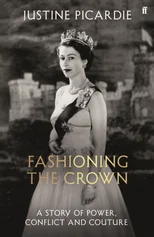
Fashioning the Crown
A Story of Power, Conflict and Couture
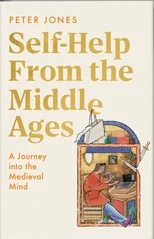
Self-Help From the Middle Ages
A Journey Into the Medieval Mind