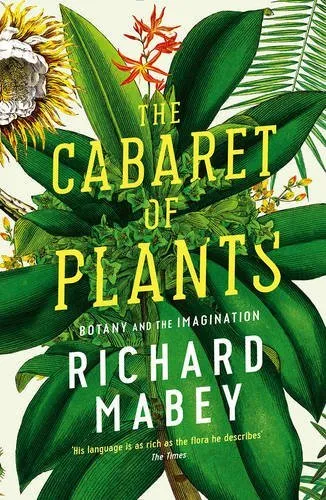
The Cabaret of Plants
Botany and the Imagination
(Author) Richard MabeyIn The Cabaret of Plants, Mabey explores the plant species which have challenged our imaginations, awoken our wonder, and upturned our ideas about history, science, beauty and belief. Picked from every walk of life, they encompass crops, weeds, medicines, religious gathering-places and a water lily named after a queen. Beginning with pagan cults and creation myths, the cultural significance of plants has burst upwards, sprouting into forms as diverse as the panacea (the cure-all plant ginseng, a single root of which can cost up to $10,000), Newton's apple, the African 'vegetable elephant' or boabab - and the mystical, night-flowering Amazonian cactus, the moonflower.Ranging widely across science, art and cultural history, poetry and personal experience, Mabey puts plants centre stage, and reveals a true botanical cabaret, a world of tricksters, shape-shifters and inspired problem-solvers, as well as an enthralled audience of romantics, eccentric amateur scientists and transgressive artists. The Cabaret of Plants celebrates the idea that plants are not simply 'the furniture of the planet', but vital, inventive, individual beings worthy of respect - and that to understand this may be the best way of preserving life together on Earth.
Richard Mabey
Richard Mabey is a British nature writer and botanist known for his unique blend of scientific knowledge and creative storytelling in his works. His most notable works include "Flora Britannica," "Food for Free," and "Weeds: In Defense of Nature's Most Unloved Plants." Mabey's writing style is characterized by his deep appreciation for the natural world and his ability to connect readers with the beauty and significance of plants and wildlife. He has made significant contributions to the genre of nature writing by exploring the intricate relationships between humans and the environment. "Flora Britannica" is considered his most famous work, documenting the flora of Britain and its cultural significance. Mabey's work has had a lasting impact on environmental literature, inspiring readers to reconnect with nature and appreciate the beauty of the world around them.
Other related
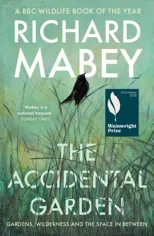
The Accidental Garden
Gardens, Wilderness and the Space In Between