Anna Karenina
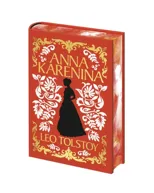
(Author) Leo TolstoyAll happy families are alike. Each unhappy family is unhappy in its own way. Across the vast panorama of 19th-century Russia - from the glittering salons of Moscow and St Petersburg to its remote country estates - everyone is searching for answers in a society on the brink of collapse. Anna Karenina, the beautiful wife of a powerful government official, dares to step outside the bounds of society to risk a dangerous and destructive love affair with the magnetic Count Vronsky. Meanwhile, country landowner Levin is in pursuit of a new way to live and wrestling with his thwarted devotion to Kitty, who's been left broken-hearted by Vronsky. Her sister Dolly struggles to reconcile constant child-bearing with her husband's constant philandering. Their dreams and despairs are mirrored in the tensions between individual and society, modernity and tradition, city and countryside, faith and doubt. Phillip Breen's witty and sensual version of Tolstoy's masterpiece - blending period dress with a contemporary tone - takes us into the hearts and minds of its conflicted, very human characters. A surprisingly funny, romantic and unforgettable portrait of infidelity, passion and the search for fulfilment. Anna Karenina is premiered at Chichester Festival Theatre in 2025.
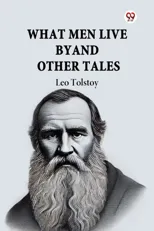
Leo Tolstoy
Leo Tolstoy was a Russian novelist and philosopher, born on September 9, 1828. He is best known for his epic novels "War and Peace" and "Anna Karenina," which are considered masterpieces of realist fiction. Tolstoy's writing style is characterized by his detailed descriptions of everyday life and his exploration of moral and philosophical themes. He is credited with influencing the development of modern literature through his innovative narrative techniques and profound insights into human nature. Tolstoy's works have had a lasting impact on the literary world, inspiring generations of writers and thinkers. His most famous work, "War and Peace," is widely regarded as one of the greatest novels ever written. Tolstoy died on November 20, 1910, leaving behind a legacy of literary brilliance and philosophical wisdom.
Other related