Berthold Lubetkin
(Author) John AllanThis book presents a compact and compelling account of the life and work of Berthold Lubetkin (1901-1990), widely regarded as the outstanding architect of his generation to practise in England. It explores the key themes, achievements and setbacks of his career, drawing from the author's twenty-year personal friendship with Lubetkin himself, from discussions with former colleagues, and from his direct experience of working with many of Lubetkin's buildings as a conservation architect. The study reveals the significance of Lubetkin's Russian origins and European travels, re-assesses his prime work of the 1930s and charts the extensive output of his often-overlooked post-war career. It also considers Lubetkin's legacy in the later work of his key associates, several of whom became significant architects in their own right. Lubetkin is a legendary figure in architectural circles, while still remaining slightly mysterious and misunderstood. The author shines new light on the man and his ideas, and assesses his unique place in modern architectural history. Illustrations include original black & white images as well as high-quality colour studies of the buildings as they are now. A complete List of Works and published commentaries also provide a valuable source of reference.
John Allan
John Allan was a 19th-century American poet and critic known for his innovative approach to poetry. His most notable works include "The Raven," "Annabel Lee," and "The Tell-Tale Heart." Allan's literary style is characterized by its dark and macabre themes, as well as its use of symbolism and vivid imagery. He is considered a pioneer of Gothic literature and is credited with influencing the development of the horror genre. "The Raven" is often cited as his most famous work, showcasing his mastery of rhythm and rhyme scheme. Overall, John Allan's contributions to literature have left a lasting impact on the world of poetry and storytelling.
Other related


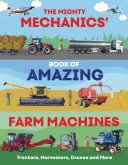
The Mighty Mechanics’ Book of Amazing Farm Machines
Tractors, Harvesters, Quad Bikes and More
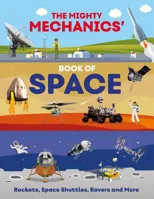
The Mighty Mechanics’ Book of Space
Rockets, Space Shuttles, Rovers and More
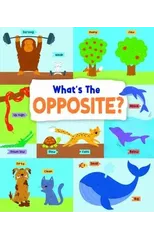
What's the Opposite?
Big and Small, High and Low and Many More... : 4