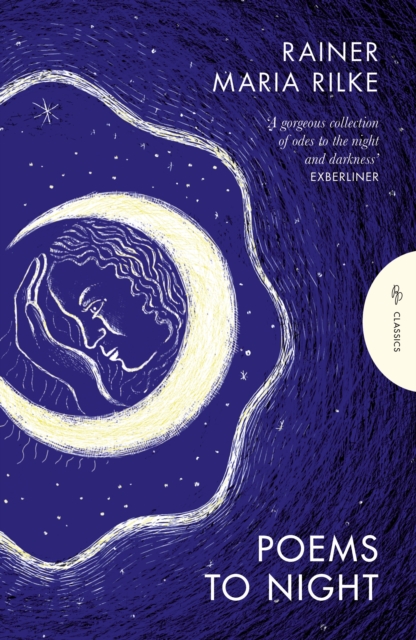
Poems to Night
(Author) Rainer Maria RilkeThis collection of haunting, mystical poems of the night by the great Rainer Maria Rilke is the only English translation to bring them all together In 1916, Rainer Maria Rilke presented his friend Rudolf Kassner with a notebook, containing 22 poems meticulously inscribed in his own hand and bearing the title Poems to Night. This evocative sequence of poems, which echoes some of the great themes of German romanticism, is now thought to represent one of the key stages in the creative breakthrough and spiritual evolution of the preeminent European poet of the twentieth century. This translation was the 1st to bring all the poems together in English and is enhanced by the translator's valuable introduction and a rich selection of further poems Rilke dedicated to night at various stages of his life, providing fascinating insight into Rilke’s development. The poems recall all of the great poet’s important themes: death and longing, the troubling reconciliation of beauty and suffering, and a search for transcendance. These deep questions circle the imagery of night in Rilke’s intensely lyrical style: darkness, the stars and the moon wheel through the verses, and the play of light and dark beomes an evocation of life’s duality. No other poet was as singularly devoted to beauty or as capable of gifting its consolations to the reader—a volume to cherish on stormy nights and peaceful ones.
Rainer Maria Rilke
Rainer Maria Rilke (1875-1926) was a Bohemian-Austrian poet and novelist known for his lyrical and introspective writing style. His most notable works include "Letters to a Young Poet" and "Duino Elegies." Rilke's poetry often explores themes of love, loss, and the search for meaning in a fragmented world. He is considered a pioneer of modernist poetry and has had a significant influence on the development of 20th-century literature. His most famous work is "The Sonnets to Orpheus." Rilke's unique perspective and profound insights continue to resonate with readers around the world.
Other related

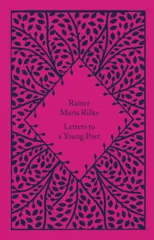

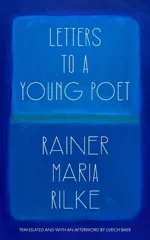
Letters to a Young Poet (Translated and with an Afterword by Ulrich Baer)

Letters to a Young Poet
With the Letters to Rilke from the ''Young Poet''
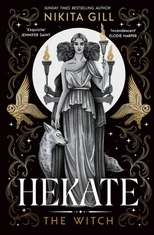
Hekate
The new immersive, electrifying Greek retelling from bestselling poet Nikita Gill