Sevastopol Tales
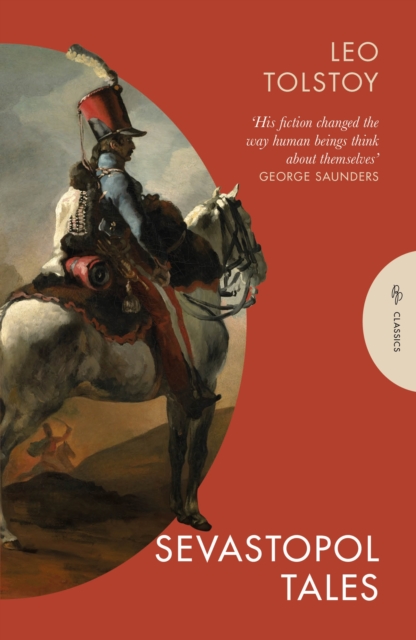
(Author) Leo TolstoyA stunning new translation of Tolstoy’s immersive, inventive and masterfully ironic account of the Crimean War, and of the light violence sheds on human nature. “[Tolstoy’s] fiction changed the way human beings think about themselves.” — George Saunders Crimea, 1854: residents in the besieged city of Sevastopol look out over a harbor punctured by the masts of scuttled ships, and taunt the French forces that keep them trapped behind defensive walls. So begins Leo Tolstoy’s account of nine months of shelling, destruction, courage, vanity, glory and death. Based on his own experiences as an artillery officer in the Crimean War, Tolstoy uses a kaleidoscopic range of narrative techniques to build up a picture of the conflict, wheeling from officer to soldier, cannon to barracks. The first tale, ‘Sevastopol in December’, takes us on a tour of the besieged city, where spirits are high, but defenses are crumbling. In ‘Sevastopol in May’ we enter the fray with a group of officers, some honorable and brave, some foolish, vain and shallowly preoccupied with status – and some all of these at once. ‘Sevastopol in August’ brings the story to a close, following the fates of two brothers in the final battle for the city. Communicated in prose marked by vivid sensation and profound irony, Tolstoy’s questions – about the nature of truth and heroism, and about why we choose to pay the high human price of conflict – are as relevant as ever.
Leo Tolstoy
Leo Tolstoy was a Russian novelist and philosopher, born on September 9, 1828. He is best known for his epic novels "War and Peace" and "Anna Karenina," which are considered masterpieces of realist fiction. Tolstoy's writing style is characterized by his detailed descriptions of everyday life and his exploration of moral and philosophical themes. He is credited with influencing the development of modern literature through his innovative narrative techniques and profound insights into human nature. Tolstoy's works have had a lasting impact on the literary world, inspiring generations of writers and thinkers. His most famous work, "War and Peace," is widely regarded as one of the greatest novels ever written. Tolstoy died on November 20, 1910, leaving behind a legacy of literary brilliance and philosophical wisdom.
Other related