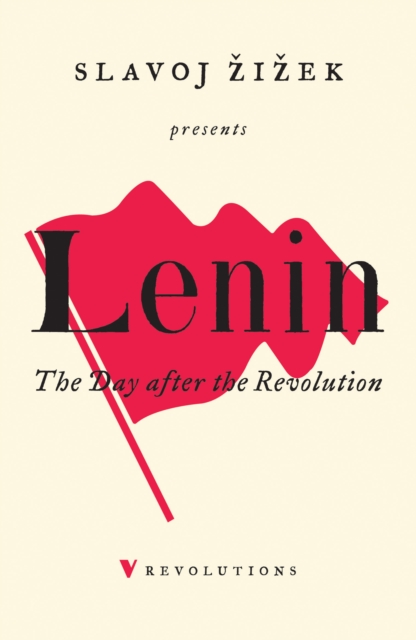
The Day After the Revolution
(Author) Slavoj ZizekOne hundred years after the Russian Revolution, Žižek shows why Lenin’s thought is still important today V. I. Lenin’s originality and importance as a revolutionary leader is most often associated with the seizure of power in 1917. But, in this new study and collection of Lenin’s original texts, Slavoj Žižek argues that his true greatness can be better grasped in the last two years of his political life. Russia had survived foreign invasion, embargo and a terrifying civil war, as well as internal revolts such as the one at Kronstadt in 1921. But the new state was exhausted, isolated and disorientated. As the anticipated world revolution receded into the distance, new paths had to be charted if the Soviet state was to survive. With his characteristic brio and provocative insight, Žižek suggests that Lenin’s courage as a thinker can be found in his willingness to face this reality of retreat unflinchingly. In today’s world, characterized by political turbulence, economic crises and geopolitical tensions, we should revisit Lenin’s combination of sober lucidity and revolutionary determination.
Slavoj Zizek
Slavoj Žižek is a Slovenian philosopher known for his work in critical theory and psychoanalysis. His most famous work, "The Sublime Object of Ideology," critiques contemporary culture and politics with a unique blend of humor and insight. Žižek's contributions to literature include challenging traditional ideologies and reimagining the role of ideology in society.
Other related

Too Late to Awaken
What Lies Ahead When There is No Future?
Trouble in Paradise
From the End of History to the End of Capitalism

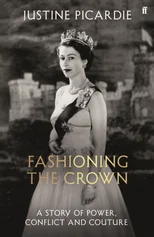
Fashioning the Crown
A Story of Power, Conflict and Couture