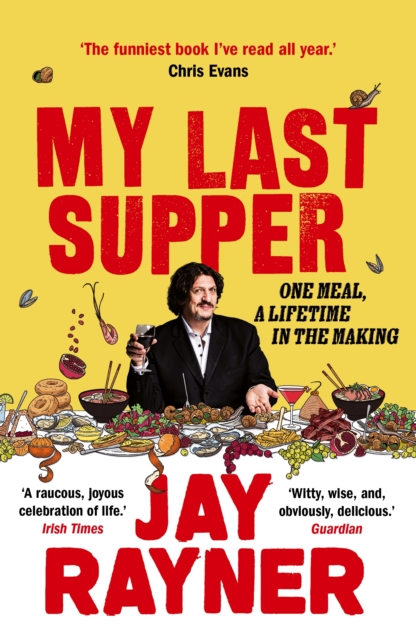
My Last Supper
One Meal, a Lifetime in the Making
(Author) Jay RaynerYou're about to die. What would your final meal be? This question has long troubled Jay Rayner. As a man more obsessed with his lunch than is strictly necessary, the idea of a showpiece last supper is a tantalising prospect. But wouldn't knowledge of your imminent demise ruin your appetite? So, Jay decided to cheat death. The plan was simple: he would embark on a journey through his life in food in pursuit of the meal to end all meals. It's a quest that takes him from necking oysters on the Louisiana shoreline to forking away the finest French pastries in Tokyo, and from his earliest memories of snails in garlic butter, through multiple pig-based banquets, to the unforgettable final meal itself. My Last Supper is both a hugely entertaining account of a life built around mealtimes and a fascinating global exploration of our relationship with what we eat. It is the story of one hungry man, in eight courses.
Jay Rayner
Jay Rayner is a British journalist, writer, and broadcaster known for his work in the field of food and culinary criticism. He has written for various publications including The Observer, The Guardian, and Esquire. Rayner is well-known for his sharp wit, humor, and insightful commentary on the world of food and dining.
One of his most notable works is his book "The Man Who Ate the World: In Search of the Perfect Dinner," which explores the global food industry and its impact on culture and society. Rayner's writing style is engaging, entertaining, and informative, making him a popular figure in the world of food writing.
Rayner's contributions to literature include shedding light on the complexities of the food industry, challenging traditional notions of culinary excellence, and advocating for sustainable and ethical food practices. His work has had a significant impact on the genre of food writing, inspiring readers to think critically about what they eat and how it is produced.
Overall, Jay Rayner's most famous work, "The Man Who Ate the World," has solidified his reputation as a leading voice in food criticism and literature, making him a prominent figure in the world of culinary writing.
Other related

Nights Out At Home
Recipes and Stories from 25 years as a Restaurant Critic


Wasted Calories and Ruined Nights
A Journey Deeper into Dining Hell




Vianne
The irresistible new story from the million-copy bestselling author of CHOCOLAT
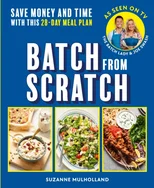
Batch From Scratch
Save money and time with this as seen on screen 28-day meal plan
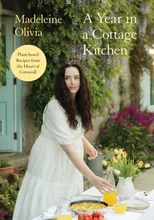
A Year in a Cottage Kitchen
Plant-based Recipes from the Heart of Cornwall