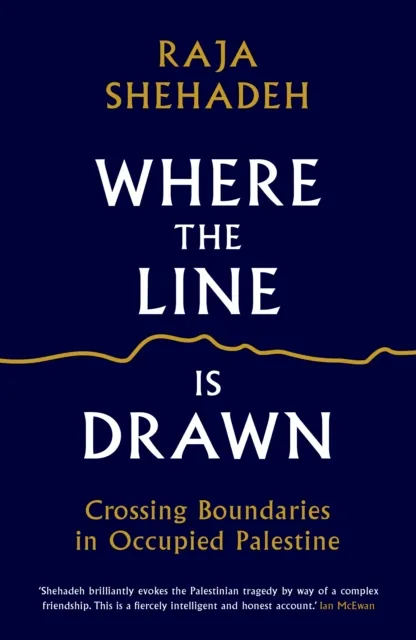
Where the Line is Drawn
Crossing Boundaries in Occupied Palestine
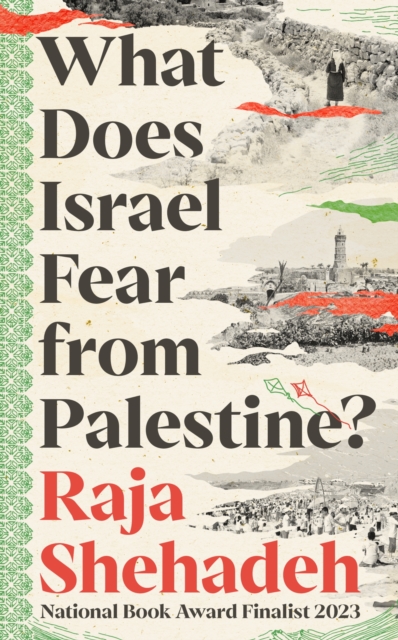
(Author) Raja ShehadehAs a young boy, Raja Shehadeh was entranced by a forbidden Israeli postage stamp in his uncle's album, intrigued by tales of a green land beyond the border.He couldn't have known then what Israel would come to mean to him, or to foresee the future occupation of his home in Palestine. Later, as a young lawyer, he worked to halt land seizures and towards peace and justice in the region. During this time, he made close friends with several young Jewish Israelis, including fellow thinker and searcher Henry. But as life became increasingly unbearable under in the Palestinian territories, it was impossible to escape politics or the past, and even the strongest friendships and hopes were put to the test. Brave, intelligent and deeply controversial, in this book award-winning author Raja Shehadeh explores the devastating effect of occupation on even the most intimate aspects of life. Looking back over decades of political turmoil, he traces the impact on the fragile bonds of friendship across the Israel-Palestine border, and asks whether those considered bitter enemies can come together to forge a common future.
Raja Shehadeh
Raja Shehadeh is a Palestinian author, lawyer, and human rights activist known for his writings on the Israeli-Palestinian conflict and the occupation of Palestinian territories. His most notable works include "Strangers in the House: Coming of Age in Occupied Palestine" and "Palestinian Walks: Notes on a Vanishing Landscape," which blend personal memoir with political analysis. Shehadeh's literary style is characterized by its introspective and contemplative tone, as he reflects on his experiences living under occupation and the impact it has had on the Palestinian people. His work has made a significant contribution to literature by providing a unique perspective on the conflict and shedding light on the daily struggles faced by Palestinians. "Palestinian Walks" is considered his most famous work, winning the Orwell Prize for political writing in 2008. Shehadeh's writing has had a lasting impact on the genre of political literature, influencing other authors to explore similar themes and narratives.
Other related
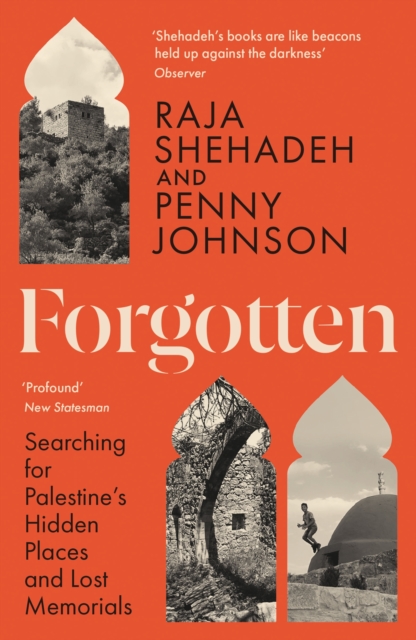
Forgotten
Searching for Palestine’s Hidden Places and Lost Memorials
Forgotten
Searching for Palestine’s Hidden Places and Lost Memorials

When The Bulbul Stopped Singing
A Diary of Ramallah under Siege

We Could Have Been Friends, My Father and I
A Palestinian Memoir