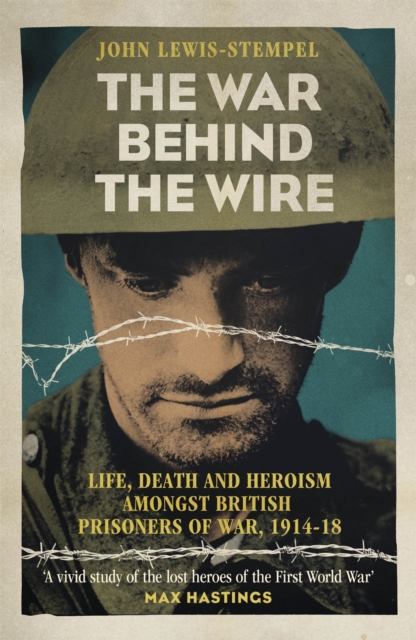
The War Behind the Wire
The Life, Death and Glory of British Prisoners of War, 1914-18
(Author) John Lewis-StempelThe last untold story of the First World War: the fortunes and fates of 170,000 British soldiers captured by the enemy. On capture, British officers and men were routinely told by the Germans 'For you the war is over'. Nothing could be further from the truth. British Prisoners of War merely exchanged one barbed-wire battleground for another. In the camps the war was eternal. There was the war against the German military, fought with everything from taunting humour to outright sabotage, with a literal spanner put in the works of the factories and salt mines prisoners were forced to slave in. British PoWs also fought a valiant war against the conditions in which they were mired. They battled starvation, disease, Prussian cruelties, boredom, and their own inner demons. And, of course, they escaped. Then escaped again. No less than 29 officers at Holzminden camp in 1918 burrowed their way out via a tunnel (dug with a chisel and trowel) in the Great Escape of the Great War. It was war with heart-breaking consequences: more than 12,000 PoWs died, many of them murdered, to be buried in shallow unmarked graves. Using contemporary records - from prisoners' diaries to letters home to poetry - John Lewis-Stempel reveals the death, life and, above all, the glory of Britain's warriors behind the wire. For it was in the PoW camps, far from the blasted trenches, that the true spirit of the Tommy was exemplified.
John Lewis-Stempel
John Lewis-Stempel is a British author known for his works in the field of natural history and rural living. His writing style is characterized by its lyrical prose and deep connection to the natural world. He has published over 40 books, including "Meadowland" and "The Running Hare," which have received critical acclaim for their vivid descriptions of the British countryside.
Lewis-Stempel's contributions to literature include his ability to transport readers to the beauty and wonder of the natural world through his immersive storytelling. His work has had a significant impact on the nature writing genre, inspiring readers to appreciate and protect the environment.
One of his most famous works is "The Wild Life," which won the Thwaites Wainwright Prize for Nature Writing in 2015. This book delves into the history and future of the British countryside, highlighting the importance of preserving its biodiversity and wildlife. Through his writing, John Lewis-Stempel has become a prominent voice in the field of nature writing, inspiring readers to reconnect with the natural world and protect it for future generations.
Other related
Night Life
Walking Britain’s wild landscapes after dark

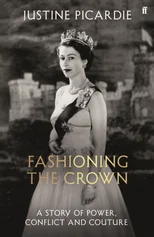
Fashioning the Crown
A Story of Power, Conflict and Couture