
The Trumpet Major
(Author) Thomas HardyThe present tale is founded more largely on testimony - oral and written - than any other in this series. The external incidents which direct its course are mostly an unexaggerated reproduction of the recollections of old persons well known to the author in childhood, but now long dead, who were eye-witnesses of those scenes. If wholly transcribed their recollections would have filled a volume thrice the length of 'The Trumpet-Major.' Down to the middle of this century, and later, there were not wanting, in the neighbourhood of the places more or less clearly indicated herein, casual relics of the circumstances amid which the action moves - our preparations for defence against the threatened invasion of England by Buonaparte. An outhouse door riddled with bullet-holes, which had been extempo-rized by a solitary man as a target for firelock practice when the landing was hourly expected, a heap of bricks and clods on a beacon-hill, which had formed the chimney and walls of the hut occupied by the beacon-keeper, worm-eaten shafts and iron heads of pikes for the use of those who had no better weapons, ridges on the down thrown up during the encampment, fragments of volunteer uniform, and other such lingering remains, brought to my imagination in early childhood the state of affairs at the date of the war more vividly than volumes of history could have done.
Thomas Hardy
Thomas Hardy was an English novelist and poet known for his novels set in the fictional county of Wessex, which explored themes of rural life, social class, and the changing landscape of England. Some of his most notable works include "Tess of the d'Urbervilles," "Far from the Madding Crowd," and "The Mayor of Casterbridge."
Hardy's writing style is characterized by his use of natural imagery, detailed descriptions of the English countryside, and his exploration of the complexities of human relationships. His works often challenge Victorian moral conventions and highlight the struggles of ordinary people in a rapidly changing society.
Hardy's contributions to literature include his innovative use of symbolism, his exploration of the impact of modernization on rural communities, and his portrayal of strong, independent female characters. His novels have had a lasting impact on the literary genre of the English novel, influencing later writers such as D.H. Lawrence and Virginia Woolf.
One of Hardy's most famous works is "Tess of the d'Urbervilles," which tells the tragic story of a young woman who is betrayed by the social expectations of her time. This novel is considered a classic of English literature and continues to be studied and admired for its powerful storytelling and social commentary.
Other related


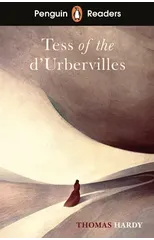
Penguin Readers Level 6
Tess of the D'Urbervilles (ELT Graded Reader) : Abridged Edition

