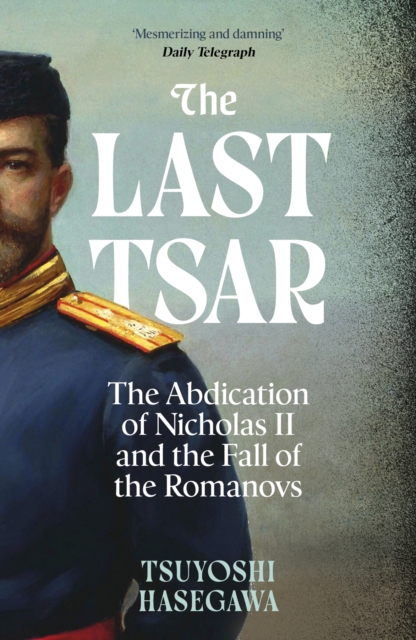
The Last Tsar
The Abdication of Nicholas II and the Fall of the Romanovs
(Author) Tsuyoshi Hasegawa'Certain to become the definitive work' DOUGLAS SMITH 'Elegantly written and magisterially researched' ROBERT SERVICE 'Masterful . . . a chilling lesson' VLADISLAV ZUBOK The definitive story behind the self-destruction of the autocratic Romanov dynasty, by the world's foremost expert. When Tsar Nicholas II fell from power in 1917, Imperial Russia faced a series of overlapping crises, from war to social unrest. Though Nicholas's life is often described as tragic, it was not fate that doomed the Romanovs - it was poor leadership and a blinkered faith in autocracy. Based on a trove of new archival discoveries, The Last Tsar narrates how Nicholas's resistance to reform doomed the monarchy. Encompassing the captivating personalities of the era, it untangles the struggles between the increasingly isolated Nicholas and Alexandra and the factions of scheming nobles, ruthless legislators, and pragmatic generals who sought to stabilize the restive Russian empire either with the Tsar or without him. By rejecting compromise, Nicholas undermined his supporters at crucial moments. His blunders cleared the way for all-out civil war and the eventual rise of the Soviet Union. Definitive and engrossing, The Last Tsar uncovers how Nicholas II stumbled into revolution, taking his family, the Romanov dynasty, and the whole Russian Empire down with him.
Tsuyoshi Hasegawa
Tsuyoshi Hasegawa is a Japanese historian and author known for his extensive research on the Soviet Union during World War II. His most notable work, "Racing the Enemy: Stalin, Truman, and the Surrender of Japan," analyzes the decision-making process behind the dropping of the atomic bombs on Hiroshima and Nagasaki. Hasegawa's writing style is characterized by meticulous attention to detail and thorough analysis of primary sources. His contributions to literature include shedding new light on key historical events and challenging conventional narratives. Hasegawa's work has had a significant impact on the field of Cold War history and his insights continue to influence scholarly debates.
Other related

The Last Tsar
The Abdication of Nicholas II and the Fall of the Romanovs
Racing the Enemy
Stalin, Truman, and the Surrender of Japan
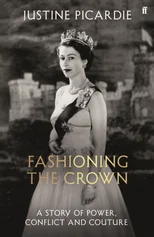
Fashioning the Crown
A Story of Power, Conflict and Couture
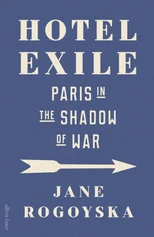
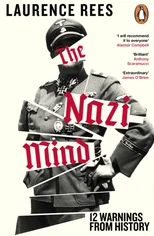
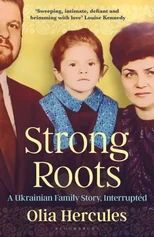
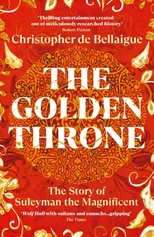
The Golden Throne
The Rule of Suleyman the Magnificent