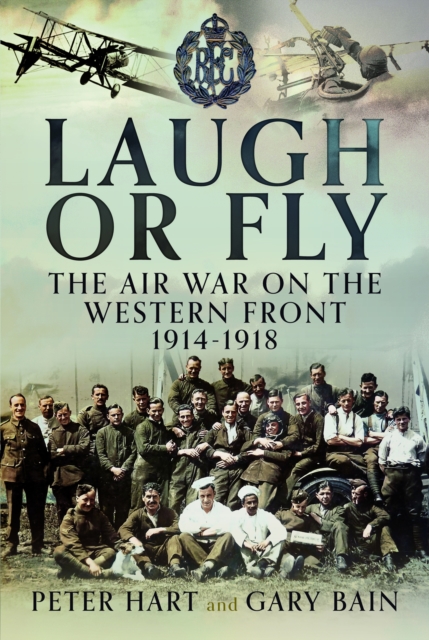
Laugh or Fly
The Air War on the Western Front 1914 – 1918
(Author) Peter HartA rip-roaring gallop through the lives of the Royal Flying Corps air crew in the Great War. They lived their lives amidst a strange dichotomy as they moved from safety to dire danger, and back again in a matter of hours. This created a dreadful strain that could soon shred anyone's mental health. On the ground they were cloistered in simple but adequate accommodation several miles behind the lines. Farmhouses, barns and huts were used, but they were all far better than the squalor faced by the infantry scurrying in their muddy trenches. Flying personnel were blessed with beds and blankets. They could set up a decent mess and socialise to their heart's content. A smorgasbord of entertainments, with perhaps an old out of tune piano, access to drink and occasional vigorous games of mess rugby. There were visits to local towns which offered tantalizing glimpses - and sometimes more - of the female of the species. A glimpse was probably never enough for most of these very young men. What more could a chap want? But when they were flying over the front it was no laughing matter. Death lurked in the skies, zooming in its 'winged chariots' out of the sun, or bursting from the clouds. A moment's loss of concentration, or tactical blunder, could consign them to being shot down and falling thousands of feet until the crunching impact of terra firma brought a terrible relief. But better that than a punctured petrol tank, the first flickers of flame, then the roaring inferno and the agonies of incineration. There was little or nothing for them to laugh about in the air. But when back on the ground they tried to put aside their fears.
Peter Hart
Peter Hart is a renowned military historian known for his detailed and insightful works on World War I. He is best known for his book "The Great War: A Combat History of the First World War," which provides a comprehensive and gripping account of the conflict. Hart's writing style is characterized by meticulous research and vivid storytelling, bringing to life the experiences of soldiers on the front lines. His contributions to literature include shedding new light on the complexities of war and its impact on individuals. Hart's work has had a significant impact on the military history genre, influencing how we understand and interpret the events of World War I.
Other related

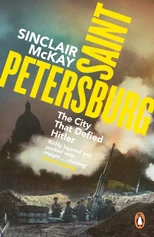
Saint Petersburg
Sacrifice and Redemption in the City That Defied Hitler
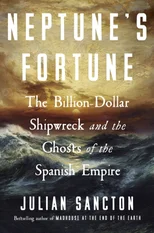
Neptune’s Fortune
The Billion-Dollar Shipwreck and the Ghosts of the Spanish Empire
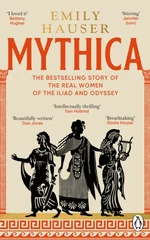
Mythica
A New History of Homer’s World, Through the Women Written Out of It