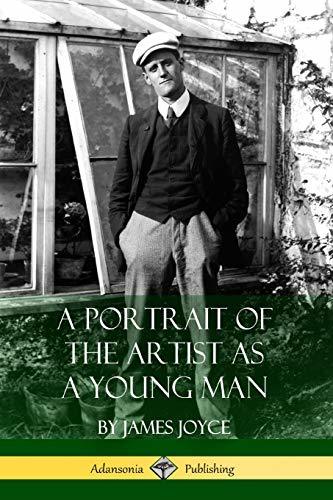
A Portrait of the Artist as a Young Man
(Author) James JoyceJames Joyce's first novel, poignant and semi-autobiographical, is brought to the reader anew in this splendid edition. First published in 1916, this story follows the unconventional and iconoclastic Stephen Dedalus, a young artist and thinker strongly modelled upon Joyce. In part autobiographical, the story charts the departure of Dedalus from traditional Irish views of Catholicism. As a result of this stifling, Stephen embarks on a journey of self-exile to Europe, where his artistic awakening and development proceeds apace. As with other works of Joyce, A Portrait of the Artist As a Young Man is notable for its original stylistic elements: through the use of free indirect speech, we witness the steady evolution of Dedalus's mind as he encounters and absorbs new locales and experiences. The change of outlook and philosophy, whereby the young man embraces aestheticism and a love of beauty, comes in spite of the advice of his best friend Cranly to make compromise with the deep traditions of Ireland.
James Joyce
James Joyce was an Irish writer known for his innovative and complex writing style. His most notable works include "Dubliners," "A Portrait of the Artist as a Young Man," "Ulysses," and "Finnegans Wake." Joyce's stream-of-consciousness technique and use of interior monologue revolutionized modernist literature. His works often explore themes of alienation, identity, and the search for meaning in a rapidly changing world. "Ulysses," considered his masterpiece, is a groundbreaking novel that follows the events of a single day in Dublin, paralleling Homer's epic poem "The Odyssey." Joyce's unique narrative techniques and experimental prose have had a profound influence on the development of the modern novel.
Other related
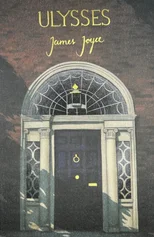
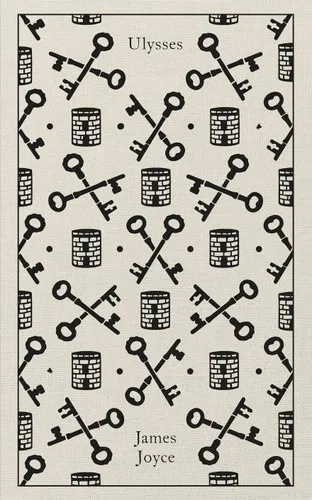
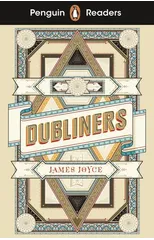
Penguin Readers Level 6
Dubliners (ELT Graded Reader) : Abridged Edition