Cat on a Hot Tin Roof
(Author) Tennessee Williams'Williams's favourite among his plays, [Cat on a Hot Tin Roof] is perhaps his most impassioned and articulate statement on human isolation, the wrenching problems of communication between people and the ways in which death defines life.' NEW YORK TIMES In Cat on a Hot Tin Roof, a Southern family meet to celebrate 'Big Daddy' Pollitt's 65th birthday. But as the party unfolds, the facade of a happy family gathering is fractured by sexual frustration, repressed love and greed in the light of their father's impending death. This edition includes a commentary by Benjamin Hudson, which explores the major themes of the play, including illness and mortality; white supremacy through the plantation setting; mendacity and 'fake news'; alcoholism and addiction; as well as sexuality, womanhood and mid-century notions of masculinity. It draws attention to the context of the play, including the cultural, social and political landscape of the Mississippi Delta and St. Louis; the first-hand witnessing of Black life in the South; homosexuality and outsider sympathy; and American conservatism and the idealised 1950s family. It also delves into recent productions and adaptations of the play, including the Bollywood and Antoine Fuqua film adaptations.
Tennessee Williams
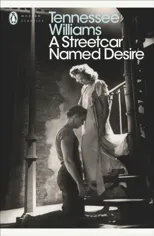
Tennessee Williams was an American playwright known for his innovative and emotionally charged dramas. His most notable works include "A Streetcar Named Desire," "The Glass Menagerie," and "Cat on a Hot Tin Roof." Williams' writing style is characterized by his exploration of complex characters, themes of desire, and the struggle for personal fulfillment. He is credited with revolutionizing American theater with his poetic language and psychological depth. Williams' impact on the literary genre of drama is profound, as he brought a new level of psychological realism and depth to the stage. "A Streetcar Named Desire" is considered his most famous work, earning him critical acclaim and multiple awards, including the Pulitzer Prize for Drama. Tennessee Williams' contributions to literature continue to be celebrated for their profound insights into the human condition and enduring relevance.
Other related