Legislating for Risk and Precaution
Bridging the Divide between Science and Law for Biosecurity
(Author) Robert Black"The book will examine, and offers solutions to amend, the mutual misunderstanding and distrust between instructing ministry officials and legislative that may occur in some jurisdictions in the drafting of legislation on biosecurity (regulation of agriculture, food safety and natural resource protection). Such difficulties in achieving effective legislation are particularly evident in developing countries because of human resource constraints, while development partners assisting with legislative reform may fail to appreciate the importance of robust dialogues between instructors and drafters. The book starts with an introduction to legislation and an overview of the various scientific disciplines and legislative domains covered. It then addresses key scientific concepts related to biosecurity that must be properly understood by lawyers for development of effective legislation. Central to this analysis are concept involving risk of harm from hazardous organisms such as pests and pathogens that damage crops, natural biodiversity and harmful chemicals in food or that pollute the environment. Such concepts are the key to understanding the legislative requirements for biosecurity and the facilitation of safely traded goods. An example will be an explanation of how maximum residues limits for pesticides are developed to achieve realistic food safety standards. Along the way, the authors use their unique combination of scientific, educational and training, and drafting experience across four continents to illustrate the features in different jurisdictions across the globe with varied legislative culture and norms. By no means aiming to provide an authoritative technical guide to drafting, many of which are already available, the book does conclude with a detailed insight to drafting and legislative processes to help professionals on both sides of the 'drafting divide' develop good legislation. The importance of fully utilising a repetitive cycle of instructions and drafting is emphasised"--
Robert Black
Other related
Nuclear is Not the Solution
The Folly of Atomic Power in the Age of Climate Change


Butterflies of Britain and Western Europe and Their Caterpillars
An Identification Guide
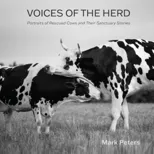
Voices of the Herd
Portraits of Rescued Cows and Their Sanctuary Stories