Parodies, Hoaxes, Mock Treatises
Polite Conversation, Directions to Servants and Other Works
(Author) Jonathan SwiftSwift's parodies are among his most fascinating works, but perhaps require most explication for the modern reader. Valerie Rumbold brings a new depth and detail to the editing of Swift's Bickerstaff papers, 'Polite Conversation', 'Directions to Servants' and other works on language and conduct. Highlights include a fresh investigation of the political and print contexts of the Bickerstaff papers, full commentaries on such smaller works as 'A Modest Defence of Punning' and 'On Barbarous Denominations in Ireland', identification and explanation of many additional sayings in 'Polite Conversation', and a detailed contextualisation of 'Directions to Servants' in contemporary domestic theory and practice. A substantial thematic Introduction is supplemented by an individual headnote and full annotation to each work. The Textual Introduction explores the publishing strategies adopted by Swift and his booksellers, and a separate Textual Account of each work presents and discusses changes in the texts over time.
Jonathan Swift
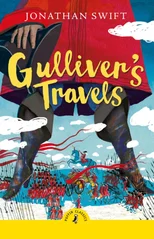
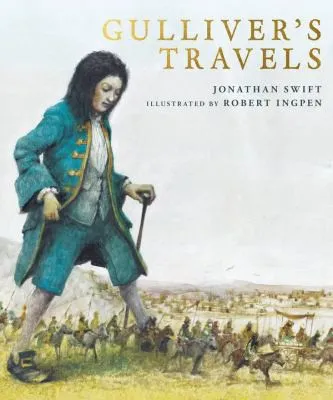
Jonathan Swift (1667-1745) was an Irish writer and clergyman known for his satirical works that critiqued society and politics. His most famous work, "Gulliver's Travels," is a biting satire on human nature and the flaws of society. Swift's writing is characterized by wit, irony, and a keen eye for social commentary. He was a master of the satire genre, using humor and exaggeration to shed light on the absurdities of his time. Swift's contributions to literature have had a lasting impact on the genre of satire, influencing countless writers and thinkers.
Other related