The Oxford World History of Empire
Volume One: The Imperial Experience
(Author) Peter Fibiger BangThis is the first world history of empire, reaching from the third millennium BCE to the present. By combining synthetic surveys, thematic comparative essays, and numerous chapters on specific empires, its two volumes provide unparalleled coverage of imperialism throughout history and across continents, from Asia to Europe and from Africa to the Americas. Only a few decades ago empire was believed to be a thing of the past; now it is clear that it has been and remains one of the most enduring forms of political organization and power. We cannot understand the dynamics and resilience of empire without moving decisively beyond the study of individual cases or particular periods, such as the relatively short age of European colonialism. The history of empire, as these volumes amply demonstrate, needs to be drawn on the much broader canvas of global history. Volume I: The Imperial Experience is dedicated to synthesis and comparison. Following a comprehensive theoretical survey and bold world history synthesis, fifteen chapters analyze and explore the multifaceted experience of empire across cultures and through the ages. The broad range of perspectives includes: scale, world systems and geopolitics, military organization, political economy and elite formation, monumental display, law, mapping and registering, religion, literature, the politics of difference, resistance, energy transfers, ecology, memories, and the decline of empires. This broad set of topics is united by the central theme of power, examined under four headings: systems of power, cultures of power, disparities of power, and memory and decline. Taken together, these chapters offer a comprehensive and unique view of the imperial experience in world history.
Peter Fibiger Bang
Peter Fibiger Bang is a Danish historian known for his groundbreaking work in cultural evolution theory, particularly his book "The Roman Bazaar." He combines historical research with theoretical analysis to explore the dynamics of ancient economies. His clear and concise writing style makes complex ideas accessible to a wide audience.
Other related

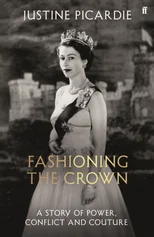
Fashioning the Crown
A Story of Power, Conflict and Couture