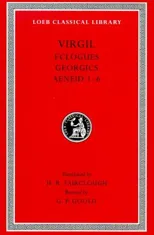
The Eclogues and Georgics
(Author) VirgilThe Eclogues, ten short pastoral poems, were composed between approximately 42 and 39 BC, during the time of the 'Second' Triumvirate of Lepidus, Anthony, and Octavian. In them Virgil subtly blended an idealized Arcadia with contemporary history. To his Greek model - the Idylls of Theocritus - he added a strong element of Italian realism: places and people, real or disguised, and contemporary events are introduced. The Eclogues display all Virgil's art and charm and are among his most delightful achievements.
Virgil
Virgil, born Publius Vergilius Maro in 70 BC, was a renowned Roman poet known for his epic poem, "The Aeneid." His literary style was characterized by his use of rich imagery, vivid descriptions, and deep philosophical themes. Virgil's contributions to literature include elevating the genre of epic poetry to new heights and establishing himself as one of the greatest poets of ancient Rome. "The Aeneid," his most famous work, tells the story of Aeneas, a Trojan hero who travels to Italy and becomes the ancestor of the Romans. Virgil's impact on the literary genre of epic poetry has been profound, influencing countless writers and poets throughout history.
Other related





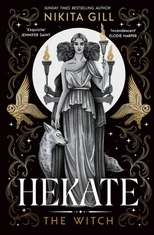
Hekate
The new immersive, electrifying Greek retelling from bestselling poet Nikita Gill