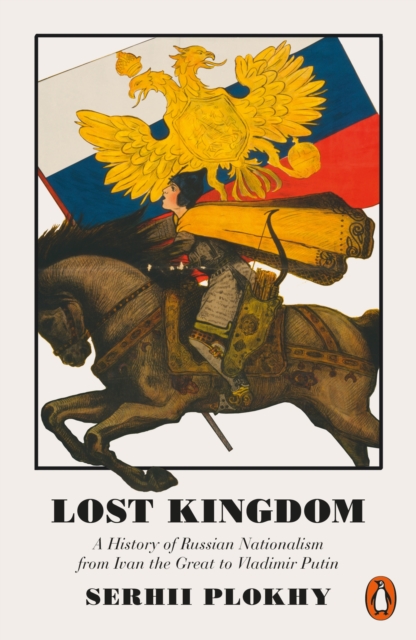
Lost Kingdom
A History of Russian Nationalism from Ivan the Great to Vladimir Putin
(Author) Serhii Plokhy'Brisk and thoughtful, this book could hardly be more timely' Dominic Sandbrook, BBC History Magazine, Books of the Year From a preeminent scholar of Eastern Europe and the prize-winning author of Chernobyl, the essential history of Russian imperialism In 2014, Russia annexed Crimea and attempted to seize a portion of Ukraine. While the world watched in outrage, this violation of national sovereignty was in fact only the latest iteration of a centuries-long effort to expand Russian boundaries and create a pan-Russian nation. In Lost Kingdom, award-winning historian Serhii Plokhy argues that we can only understand the merging of imperialism and nationalism in Russia today by delving into its history. Spanning over two thousand years, from the end of the Mongol rule to the present day, Plokhy shows how leaders from Ivan the Terrible to Joseph Stalin to Vladimir Putin have exploited existing forms of identity, warfare and territorial expansion to achieve imperial supremacy. A strikingly ambitious book, Lost Kingdom chronicles the long and belligerent history of Russia's empire and nation-building quest.
Serhii Plokhy
Serhii Plokhy is a renowned Ukrainian-American historian and author known for his works on Eastern European history, particularly the history of Ukraine and Russia. He is a professor of Ukrainian history at Harvard University and has published numerous books on the topic.
Plokhy's most notable works include "The Last Empire: The Final Days of the Soviet Union" and "Chernobyl: The History of a Nuclear Catastrophe." His writing style is characterized by meticulous research, insightful analysis, and engaging storytelling.
Plokhy's contributions to literature include shedding light on important but often overlooked events in Eastern European history and providing new perspectives on key moments in the region's past. His work has had a significant impact on the study of Ukrainian and Russian history, influencing scholars and readers alike.
His most famous work, "Chernobyl: The History of a Nuclear Catastrophe," explores the causes and consequences of the Chernobyl disaster in 1986, offering a comprehensive and compelling account of one of the worst nuclear accidents in history.
Other related
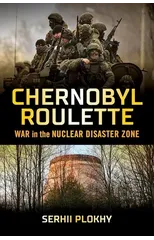
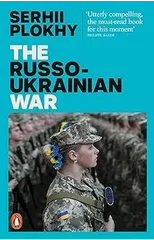
The Russo-Ukrainian War
From the bestselling author of Chernobyl

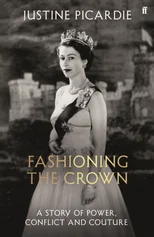
Fashioning the Crown
A Story of Power, Conflict and Couture

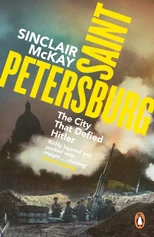
Saint Petersburg
Sacrifice and Redemption in the City That Defied Hitler