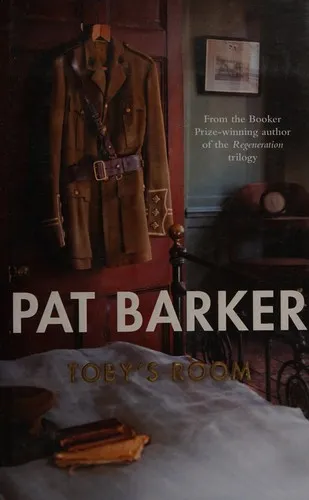
Toby's Room
(Author) Pat BarkerToby has always protected his sister, Elinor, their bond closer than they can acknowledge. Then comes war, and in 1917 on a French battlefield Toby is reported 'Missing, Believed Killed'. Elinor, an artist now involved in helping surgeons reconstruct the faces of injured soldiers, is determined to find out what happened and writes to the horrifically wounded Kit Neville, the last man to see Toby alive. But Neville is in hospital, himself damaged beyond recognition, and he will not talk - until Elinor asks fellow soldier and her former lover Paul Tarrant for help. But are some truths better left concealed? 'Magnificent; I finished it eagerly, wanting to know what happened next, and as I read, I was enjoying, marvelling and learning.' Chimamanda Ngozi Adichie, author of Half of a Yellow Sun 'A heart-rending return to the Great War. A superb stylist . . . forensically observant and imaginatively sublime.' Independent 'Once again Barker skilfully moves between past and present, seamlessly weaving fact and fiction into a gripping narrative.' Sunday Telegraph 'Strong, truthful and beautifully controlled. Magnificent.' Saga 'Dark, painful, yet also tender. It succeeds brilliantly.' John Vernon, New York Times 'Raw, visceral . . . A fiercely honest account of the effects of war.' Daily Express 'The plot unfurls to a devastating conclusion . . . a very fine piece of work.' Melvyn Bragg, New Statesman Books of the Year
Pat Barker
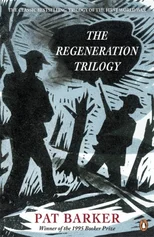
Pat Barker is an English author best known for her powerful and thought-provoking novels that often explore the psychological and emotional impact of war on individuals. Her most notable work is the Regeneration Trilogy, which includes the novels "Regeneration," "The Eye in the Door," and "The Ghost Road." These novels are set during World War I and examine the experiences of soldiers suffering from shell shock.
Barker's writing style is characterized by its stark realism, detailed character development, and exploration of complex themes such as trauma, memory, and the nature of war. Her work has had a significant impact on the genre of historical fiction, as well as on the way war and its aftermath are portrayed in literature.
Overall, Pat Barker's contributions to literature have been widely recognized, earning her numerous awards and accolades, including the Booker Prize for Fiction for "The Ghost Road" in 1995. Her work continues to be celebrated for its depth, insight, and emotional resonance.
Other related


Regeneration
The first novel in Pat Barker's Booker Prize-winning Regeneration trilogy