Ulysses
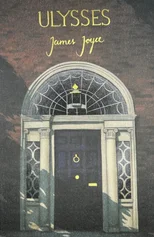
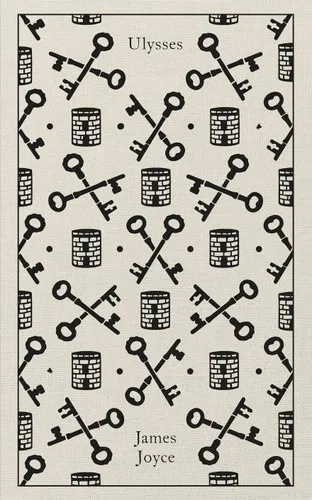
(Author) James JoyceUlysses is a novel by the Irish author James Joyce. Ulysses chronicles the passage of Leopold Bloom through Dublin during an ordinary day, 16 June 1904 (the day of Joyce's first date with his future wife, Nora Barnacle). The title alludes to Odysseus (Latinised into Ulysses), the hero of Homer's Odyssey, and establishes a series of parallels between characters and events in Homer's poem and Joyce's novel (e.g., the correspondence of Leopold Bloom to Odysseus, Molly Bloom to Penelope, and Stephen Dedalus to Telemachus). Joyce fans worldwide now celebrate 16 June as Bloomsday. Ulysses' stream-of-consciousness technique, careful structuring, and experimental prose-full of puns, parodies, and allusions, as well as its rich characterisations and broad humour, made the book a highly regarded novel in the Modernist pantheon. In 1998, the Modern Library ranked Ulysses first on its list of the 100 best English-language novels of the 20th century.
James Joyce
James Joyce was an Irish writer known for his innovative and complex writing style. His most notable works include "Dubliners," "A Portrait of the Artist as a Young Man," "Ulysses," and "Finnegans Wake." Joyce's stream-of-consciousness technique and use of interior monologue revolutionized modernist literature. His works often explore themes of alienation, identity, and the search for meaning in a rapidly changing world. "Ulysses," considered his masterpiece, is a groundbreaking novel that follows the events of a single day in Dublin, paralleling Homer's epic poem "The Odyssey." Joyce's unique narrative techniques and experimental prose have had a profound influence on the development of the modern novel.
Other related
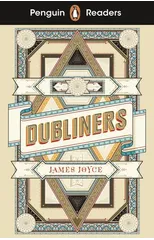
Penguin Readers Level 6
Dubliners (ELT Graded Reader) : Abridged Edition