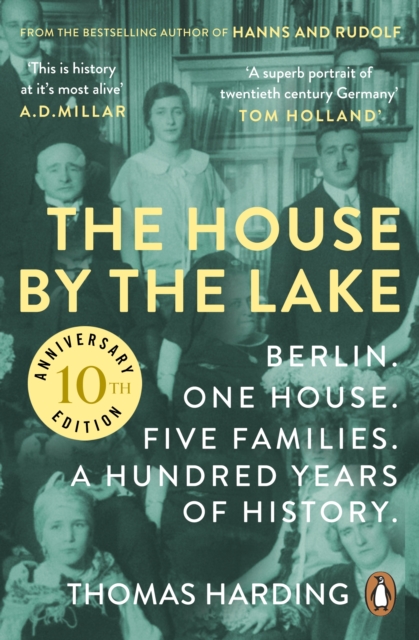
The House by the Lake
(Author) Thomas HardingSHORTLISTED FOR THE COSTA BIOGRAPHY AWARD 2015 LONGLISTED FOR THE ORWELL PRIZE 2016 A RADIO 4 BOOK OF THE WEEK âe~A passionate memoir.âe(tm) Neil MacGregor âe~A superb portrait of twentieth century Germany seen through the prism of a house which was lived in, and lost, by five different families. A remarkable book.âe(tm) Tom Holland âe~Personal and panoramic, heart-wrenching yet uplifting, this is history at its most alive.âe(tm) A.D. Miller In 2013, Thomas Harding returned to his grandmotherâe(tm)s house on the outskirts of Berlin which she had been forced to leave when the Nazis swept to power. What was once her âe~soul placeâe(tm) now stood empty and derelict. A concrete footpath cut through the garden, marking where the Berlin Wall had stood for nearly three decades. In a bid to save the house from demolition, Thomas began to unearth the history of the five families who had lived there: a nobleman farmer, a prosperous Jewish family, a renowned Nazi composer, a widow and her children and a Stasi informant. Discovering stories of domestic joy and contentment, of terrible grief and tragedy, and of a hatred handed down through the generations, a history of twentieth century Germany and the story of a nation emerged.
Thomas Harding
Thomas Harding is a British author and journalist known for his works of non-fiction, particularly focusing on history and biography. His most notable works include "Hanns and Rudolf: The True Story of the German Jew Who Tracked Down and Caught the Kommandant of Auschwitz" and "The House by the Lake: One House, Five Families, and a Hundred Years of German History."
Harding's writing style is characterized by meticulous research, compelling storytelling, and a deep exploration of personal and historical narratives. His contributions to literature lie in his ability to bring to life complex events and individuals, shedding light on lesser-known stories from the past.
Harding's impact on the literary genre of historical non-fiction is significant, as he has brought attention to overlooked aspects of history and humanized the individuals involved. His most famous work, "Hanns and Rudolf," has received critical acclaim for its gripping portrayal of two men on opposite sides of World War II and the Holocaust.
Other related
The House on the Canal
The Story of the House that Hid Anne Frank
The Einstein Vendetta
Hitler, Mussolini, and a true story of murder
The House on the Canal
The Story of the House that Hid Anne Frank
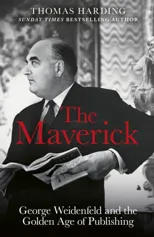
The Maverick
George Weidenfeld and the Golden Age of Publishing

White Debt
The Demerara Uprising and Britain’s Legacy of Slavery
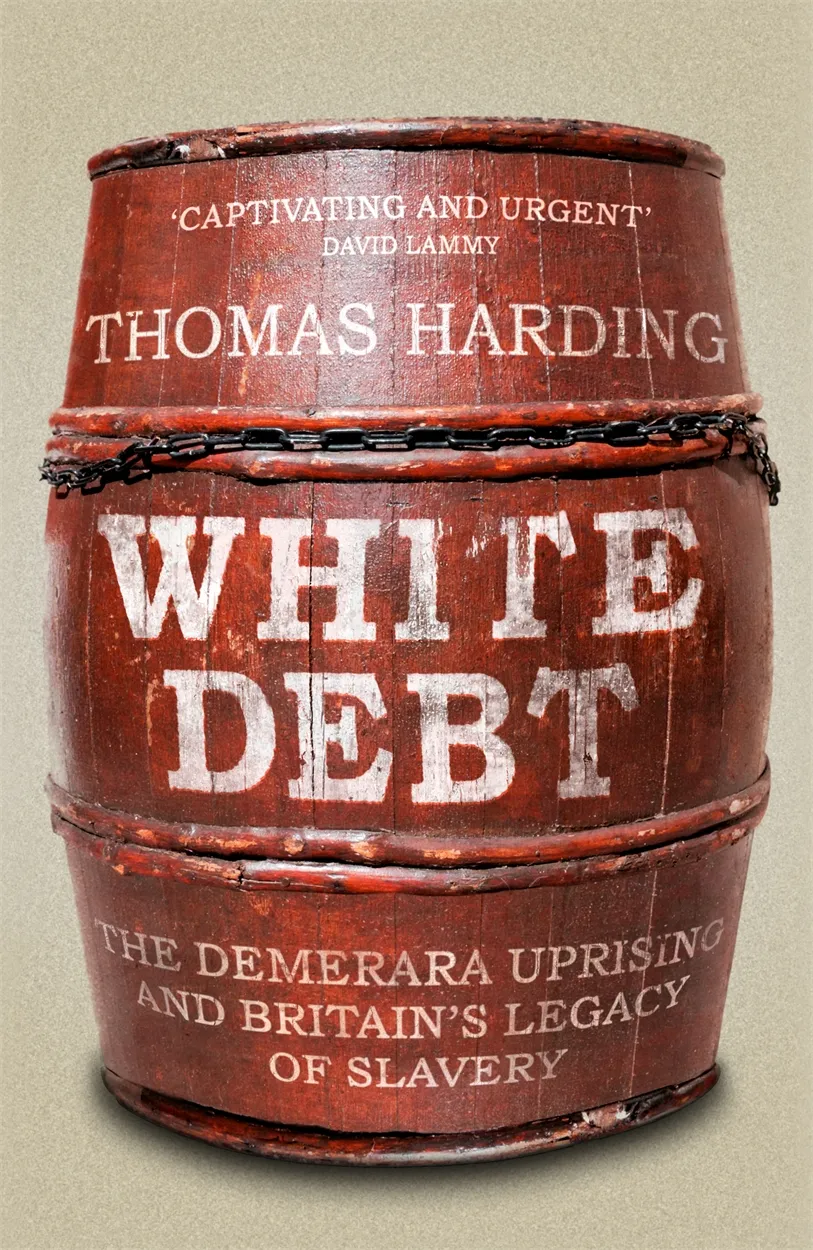
White Debt
The Demerara Uprising and Britain's Legacy of Slavery

Fashioning the Crown
A Story of Power, Conflict and Couture