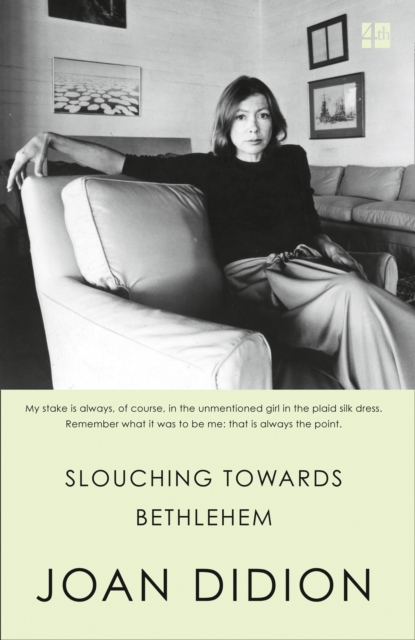
Slouching Towards Bethlehem
(Author) Joan DidionClassic literary journalism which defined, for many, the state of America during the upheaval of the Sixties Revolution "It was not a country in open revolution. It was not a country under enemy siege. It was the United States of America in the cold late spring of 1967, and the market was steady and the GNP high and a great many articulate people seemed to have a sense of high social purpose and it might have been a spring of brave hopes and national promise, but it was not..." "So physically small, so temperamentally unobtrusive, and so neurotically inarticulate" that people tended to forget that her presence ran counter to their best interests, Joan Didion slipped herself into the heart of the Sixties Revolution, only to slip out again with this savage masterpiece, which, since first publication in 1968, has been acknowledged as an unparalleled report on the state of America during those curious days. Now that some of the posturing and pronouncements of those times are being recycled, Didion's sobering reflections are timely once again: 'the future always looks good in the golden land, because no one remembers the past."
Joan Didion
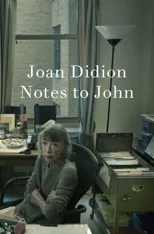
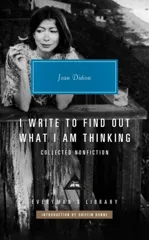
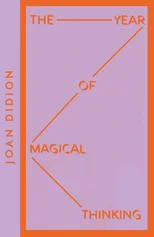
Joan Didion was an American writer known for her sharp prose and keen observations on American culture and politics. She first gained recognition for her essays in magazines like Vogue and Esquire, which were later compiled into collections such as "Slouching Towards Bethlehem" and "The White Album." Didion's writing style is characterized by its precise language and introspective tone, exploring themes of identity, loss, and the complexities of human experience. One of her most famous works is "The Year of Magical Thinking," a memoir that won the National Book Award and the Pulitzer Prize for Non-Fiction. Didion's impact on the literary genre of creative nonfiction and her distinctive voice continue to influence writers today.
Other related